
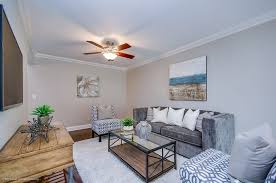
Creating a calm home involves making thoughtful choices. Focus on reducing clutter, choosing soothing colors, and incorporating elements that promote peace. This leads to a more relaxing and restorative living environment.
It helps lower stress levels.
Understanding Home Calmness
What does a calm home actually feel like? It’s more than just quiet. It’s a feeling of ease.
It’s a place where you can truly unwind. Your senses should feel at rest. There’s a sense of order.
Things just feel right.
A calm home is deeply personal. For some, it means soft lighting. For others, it’s the absence of noise.
It might involve natural elements. Think plants or wood. This feeling is about your well-being.
It helps us deal with the outside world. It’s a safe space.
Why is this so important today? Life moves fast. We are always connected.
Our homes should be the opposite. They should be slow and simple. A peaceful home helps us sleep better.
It can improve our moods. It makes family time nicer too.
My Own Journey to a Peaceful Place
I remember a time when my apartment felt like a storm. Papers piled up. Too many gadgets blinked.
Every surface had something on it. I’d walk in the door feeling more tired. The space just added to my stress.
It wasn’t a refuge at all. One evening, I tripped over a stray shoe. That was the last straw.
I knew I had to change something. It felt like a huge task back then. But I started small.
I decluttered one drawer. Then one shelf. It made a difference.
Slowly, my home started to breathe. I felt it too.
Quick Calm Checklist
Declutter: Remove things you don’t use.
Clean: A tidy space feels better.
Soft Colors: Use light and gentle paints.
Nature: Add plants or natural scents.
That feeling of relief was huge. It wasn’t instant. It took time.
But each small step mattered. The key was making it feel less daunting. I focused on one area.
Or even just one item. This made the big goal seem possible. It showed me that change is achievable.
Even with busy life.
The Power of Decluttering
Clutter is a thief of calm. It weighs on your mind. Piles of stuff can feel like a mess.
Even if it’s organized mess. It takes up mental space. It makes it hard to relax.
Think about your entry. Is it a drop zone? Or a welcoming space?
Start with areas that bother you most. Your kitchen counter? Your desk?
Your bedside table? Pick one spot. Take everything off it.
Then, put back only what you need. Or what you love. Everything else needs a new home.
Maybe it’s donation. Maybe it’s storage. Or maybe it’s the trash.
This process is not just about tidiness. It’s about intention. You are choosing what stays.
You are saying no to excess. This makes your home feel lighter. It allows your eyes to rest.
It helps your mind to calm down. It’s a form of self-care.
In my home, the dining table was a dumping ground. Mail, keys, random books. It was never clear.
I made a rule: no clutter on the table. Now, it’s a place for meals. Or for playing games.
It feels so much better. It’s a simple change. But it brought a lot of peace.
Decluttering Tips: Quick Scan
Focus Areas: Entryway, Kitchen Counters, Nightstand, Desk.
The “One In, One Out” Rule: For every new item, remove an old one.
Seasonal Purge: Do a deeper clean twice a year.
Vertical Space: Use shelves and wall storage.
Remember, this isn’t about perfection. It’s about progress. Don’t try to do it all at once.
Small wins add up. A clear surface feels good. A tidy closet makes mornings easier.
These small victories build your calm.
Color Choices for Serenity
Colors affect our mood. Some colors energize. Others soothe.
For a calm home, we want soothing. Think about nature. Soft blues and greens are often calming.
They remind us of sky and water. Earthy tones like beige and brown feel grounding. They are warm and safe.
Avoid very bright or jarring colors. Reds can be exciting. Yellows can be cheerful.
But too much can be overwhelming. Especially in spaces where you want to relax. Like your bedroom or living room.
Consider pastels. They are gentle. They make a space feel airy.
Light grays can be sophisticated and peaceful. White is classic. It makes rooms feel larger.
It’s a clean slate. But it can feel stark. Adding warmer tones helps.
Think about the feel you want. Do you want cozy? Or do you want airy?
Warm colors like soft peach or muted terracotta can be cozy. Cool colors like light blue or sage green feel airy. You can mix them.
But keep the overall tone soft.
When I painted my bedroom a soft sage green, it was a game changer. It felt like bringing a bit of the outdoors in. It was so peaceful.
The room felt bigger. It was easier to fall asleep. The color itself seemed to calm me down.
Calming Color Palette Ideas
Nature-Inspired: Sage Green, Sky Blue, Sandy Beige, Soft Brown.
Neutral Comfort: Light Gray, Cream, Muted White, Pale Peach.
Accent Ideas: Use a deeper, muted tone like navy or deep teal for small accents. Keep it limited.
Don’t forget about the colors of your furniture and decor. These play a big role too. A bright red sofa might fight with a calm wall color.
Try to keep your main pieces neutral. Then add pops of color with pillows or art. This gives you flexibility.
The Role of Lighting
Lighting is a powerful tool. Harsh, bright lights can make a space feel sterile. They can make you feel more alert.
Not what we want for calm. Soft, warm lighting is key. Think about lamps.
Floor lamps and table lamps add pools of light. They are much softer than overhead lights.
Consider dimmer switches. These let you control the light level. You can dim them down in the evening.
This signals your body to relax. It’s great for winding down before bed. Natural light is also wonderful.
Maximize it during the day. Open your curtains wide.
Avoid fluorescent lights. They often cast a harsh, cool glow. LED bulbs come in different color temperatures.
Look for “warm white.” This will give you that cozy feel. It mimics natural light better.
Candles can add a beautiful, soft glow. Just be safe with them! Even battery-operated candles can create ambiance.
The flicker is mesmerizing. It’s a lovely way to create a calm mood.
In my living room, I have several lamps. I rarely use the main ceiling light. At night, I turn on a few lamps.
The room feels so much more inviting. It’s perfect for reading or just sitting quietly. It’s a simple change.
But it changes the whole feeling.
Lighting for Relaxation
Layered Lighting: Use multiple light sources (lamps, accent lights).
Warm Bulbs: Choose bulbs labeled “warm white” (around 2700K).
Dimmers: Install dimmers for adjustable brightness.
Natural Light: Maximize daylight; use sheer curtains if privacy is needed.
Think about the time of day. Morning light can be bright and energizing. Evening light should be soft and warm.
Adjust your lighting to match. This helps your body’s natural rhythm. It promotes better sleep.
Embracing Nature Indoors
Bringing nature into your home is incredibly calming. Plants add life. They clean the air.
They bring a sense of peace. Even just a few well-placed plants can make a big difference. You don’t need a green thumb for all plants.
Consider easy-care plants. Snake plants, ZZ plants, and spider plants are very forgiving. They don’t need much light.
They don’t need frequent watering. They are great for beginners. The splash of green is so refreshing.
Natural materials also add to a calm feel. Wood furniture, bamboo accents, or stone elements. These connect us to the outdoors.
They feel warm and authentic. Think about a wooden bowl or a natural fiber rug. These small touches add up.
The sound of water can be soothing. A small indoor fountain can bring this peace. It’s a gentle, continuous sound.
It can mask other noises. It feels very tranquil.
I have a small fern on my bookshelf. It’s nothing fancy. But seeing that bit of green there every day makes me happy.
It’s a small reminder of the outside world. A peaceful part of it. It’s easier to care for than I expected.
It just adds a touch of life.
Nature Elements at Home
Plants: Choose low-maintenance options like snake plants or succulents.
Materials: Incorporate wood, bamboo, stone, or natural fibers.
Water Features: Small indoor fountains can create a calming soundscape.
Natural Scents: Use essential oils like lavender or chamomile (diffuser or spray).
Even natural scents can help. Lavender is known for its relaxing properties. Chamomile is also calming.
Use essential oil diffusers or room sprays. Make sure they are subtle. You don’t want an overwhelming smell.
Just a hint of nature’s calm.
Sensory Comfort: Sound and Smell
Calmness is felt through all our senses. Sound plays a huge role. Loud noises or constant chatter can be jarring.
Soft music can create a peaceful atmosphere. Think instrumental music. Or nature sounds.
Gentle melodies can wash over you. They help you relax.
Consider noise-canceling. If you live in a noisy area, it’s worth thinking about. Thick curtains can help.
Rugs also absorb sound. They make rooms feel quieter. Even small things like fixing a squeaky door can help.
Smell is also important. Our sense of smell is tied to memory and emotion. A clean, fresh scent is key.
Avoid strong, artificial air fresheners. They can be too much. Opt for natural scents.
Like the plants we talked about.
Essential oils are a great option. Lavender for relaxation. Bergamot for uplifting calm.
Lemon for a clean scent. Use them in a diffuser. Or add a few drops to a warm bath.
It can transform your space.
I have a small diffuser in my living room. I use lavender oil in the evenings. It’s a subtle scent.
But it really helps me wind down. It makes the room feel more like a sanctuary. It’s a simple habit.
But it has a big impact.
Sensory Calm Tips
Sound: Play soft music, nature sounds, or use a white noise machine.
Silence: Address annoying noises like drips or squeaks.
Scent: Use natural essential oils like lavender, chamomile, or sandalwood.
Avoid Overload: Keep scents subtle and not overpowering.
Pay attention to the smells in your home. Are they pleasant? Are they neutral?
A clean smell is naturally calming. A beautiful, subtle scent adds to the feeling. It makes your home feel cared for.
Organizing for Peace of Mind
Organization is more than just tidiness. It’s about creating systems. Systems that work for you.
When things have a place, they don’t get lost. They don’t add to visual clutter. This reduces stress.
It saves you time.
Think about zones. Your entryway could have a zone for keys and mail. Your kitchen could have zones for cooking tools.
Your bedroom for sleep items. Having designated spots makes it easy to put things away.
Use containers. Baskets, boxes, and bins are your friends. They hide the mess.
They keep things together. Label them if it helps. Especially for things you don’t use often.
Don’t over-organize. The goal isn’t a museum. It’s a living space that feels good.
If a system is too hard to maintain, it won’t stick. Keep it simple. Make it easy to use.
In my home office, I used drawer dividers. Suddenly, pens and paper clips had homes. It was so satisfying.
I didn’t waste time searching anymore. The desk felt more spacious. It felt more capable.
It was a small change. But it made work feel less chaotic.
Smart Organization Ideas
Categorize: Group similar items together (e.g., all batteries, all cleaning supplies).
Containers: Use baskets, bins, and drawer organizers.
Vertical Storage: Maximize wall space with shelves and hooks.
Easy Access: Keep frequently used items within easy reach.
Regular Review: Revisit your systems every few months.
Regular small efforts are better than one huge cleanup. Spend 10 minutes each day putting things back. Or tidying one small area.
This keeps chaos at bay. It maintains your calm.
Creating Cozy Nooks
Every home can benefit from a cozy nook. A small corner dedicated to relaxation. It doesn’t need to be big.
It’s about creating a feeling. A place to retreat. It could be a comfortable armchair with a good reading light.
Or a window seat with soft cushions.
Add a soft blanket. A warm mug. A favorite book.
The idea is to make it inviting. A place you look forward to sitting in. It’s a personal sanctuary within your home.
These nooks are great for mindfulness. Or for just taking a break. They break up large spaces.
They add visual interest. They give you a specific spot to go to. When you need a moment of peace.
I have a small corner in my living room. It has an armchair and a side table. I put a soft throw blanket there.
It’s my reading spot. When I feel stressed, I go there. I read for a few minutes.
Or just close my eyes. It’s a simple space. But it’s very effective for me.
Designing Your Cozy Nook
Choose a Spot: A corner, a window seat, or even under a desk.
Comfort is Key: Add plush seating, cushions, and a soft blanket.
Personal Touches: Include a small plant, a favorite photo, or artwork.
Good Lighting: Ensure there’s adequate, soft lighting for reading or relaxing.
These nooks don’t need to be expensive. Use what you have. A comfy pillow on the floor can be a nook.
The goal is a defined space. That feels safe and inviting. It’s a personal retreat.
Mindful Technology Use at Home
Technology is a big part of our lives. But it can also disrupt calm. Constant notifications.
Endless scrolling. These things pull us away from the present. They create stress.
We need to be mindful of how we use tech at home.
Set boundaries. Turn off notifications for apps you don’t need. Designate tech-free times or zones.
For example, no phones at the dinner table. Or no screens in the bedroom an hour before sleep.
Create physical distance. Keep your phone out of sight when you’re trying to focus. Or relax.
A charging station in a less-used area can help. This makes it less tempting to pick it up constantly.
Choose tech that enhances calm. Think about smart lighting that you can control with your voice. Or calming music playlists.
But be selective. Don’t let tech take over your peace.
I used to sleep with my phone on my nightstand. I’d wake up to check it. It started my day with stress.
Now, my phone charges in the hallway. I use a simple alarm clock. My bedroom is much more peaceful.
It’s a small change. But it made a big difference to my sleep quality.
Tech-Free Zones & Times
Bedroom: Make it a sanctuary for sleep, free from screens.
Dinner Table: Encourage connection by putting devices away.
Family Time: Dedicate specific times for unplugged activities.
Before Bed: Avoid screens for at least 30-60 minutes to improve sleep.
It’s not about eliminating tech. It’s about controlling it. Making it work for you.
Not against you. Mindful use creates a more peaceful home. It allows you to be more present.
What This Means for You
So, what does all this mean for your home? It means you have the power to shape your environment. Even small changes can make a big impact.
Your home should be a place that supports you.
When is it normal to feel a bit stressed? It’s normal when life is busy. It’s normal to have days where your home feels messy.
The goal isn’t perfect calm. It’s about creating a space that helps you find it more often.
When should you worry? If your home consistently feels chaotic. If it’s a major source of stress.
Or if you can’t find a place to relax. That’s when it might be time for a bigger effort. Or to seek help.
Simple checks: Walk through your home. What do you see? What do you hear?
What do you smell? How does it make you feel? This simple check can highlight areas for improvement.
Quick Tips for a Calmer Home
Here are some very simple things you can do:
- Tidy Up Before Bed: Spend 5 minutes putting things away.
- Open Windows: Let in fresh air daily.
- One Calming Item: Add one thing that makes you feel peaceful. A plant, a soft pillow.
- Dim Lights in Evening: Lower the lights as the day ends.
- Listen to Calming Music: Even for 10 minutes.
- Make Your Bed: It starts the day with a sense of order.
Making Your Home Peaceful: Key Takeaways
Declutter Regularly: Less stuff equals less stress.
Color Matters: Use soft, soothing colors on walls and decor.
Light it Right: Opt for warm, layered lighting.
Nature is Your Friend: Bring in plants and natural elements.
Quiet the Senses: Manage noise and use subtle, pleasant scents.
Organize Smart: Create systems that work for you.
These are small steps. But they build a foundation for a calmer home. Don’t try to do everything at once.
Pick one or two ideas. Try them out. See how they feel.
Frequently Asked Questions
How can I make my home calm if I have kids?
It’s definitely a challenge! Focus on creating small calm zones for yourself. Decluttering is key – kids often create clutter.
Use easy-to-clean materials. And don’t aim for perfection. A bit of organized chaos is normal.
Try to establish simple routines.
What are the best colors for a calm bedroom?
Soft blues, greens, grays, and muted earth tones are great. Think sky blue, sage green, light taupe, or a soft lavender. Avoid very bright or dark colors that can feel stimulating or oppressive.
How much time should I spend decluttering each week?
Even 15-30 minutes a week can make a big difference. Focus on one small area or category. It’s better to do it regularly than to let it build up into a huge task.
Can I make my home calm on a small budget?
Absolutely! Decluttering is free. Rearranging furniture can change the feel of a room.
Adding plants from cuttings or inexpensive ones helps. Secondhand decor can be great. Even changing your lighting with new bulbs makes a difference.
My home feels stressful. Where do I even start?
Start with one small, manageable area. Pick a surface that bothers you, like your kitchen counter. Clear it off completely.
Put back only what you need. Then, enjoy the feeling of that one clear space. Build from there.
How can I make my home feel more peaceful without spending money?
Focus on decluttering and organizing. Open your windows for fresh air. Rearrange furniture to create better flow.
Tidy up regularly. These actions cost nothing but time and effort, and they significantly impact the feel of your home.
Final Thoughts on Creating Calm
Creating a calm home is an ongoing process. It’s about making conscious choices. Choices that support your well-being.
Your home is your sanctuary. Make it a place where you can truly rest. Enjoy the journey of making it your peaceful haven.