
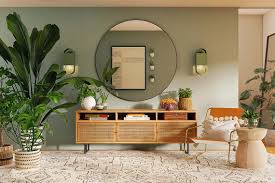
We all want our homes to be a peaceful place. A spot where we can truly relax. But sometimes, our homes feel more like a source of stress.
Clutter piles up. Noise gets in the way. It feels chaotic.
This can really take a toll on our well-being. It’s tough when your own living space feels overwhelming.
Creating a calm home is about making small, smart changes. It’s about designing spaces that soothe your senses. This guide will show you how to do just that.
You’ll learn simple tips for a more peaceful life at home.
What Is a Calm Home?
A calm home is more than just quiet. It’s a feeling. It’s a space that supports your peace of mind.
It feels safe and comforting. It’s a place where you can recharge your energy. You feel good just being there.
It’s a refuge from the busy world outside.
Why is this so important? Because we spend so much time at home. Our homes affect our mood.
They affect our sleep. They affect how we handle stress. A calm home helps us feel more focused.
It helps us be more present. It’s good for our bodies and our minds. It makes life feel a little bit easier.
Think about it. When you walk into a messy room, how do you feel? Probably not great.
But when you walk into a clean, tidy space, you might feel lighter. You might breathe easier. This isn’t just in your head.
Your brain reacts to your surroundings. A calm home environment signals safety to your brain.
This guide will help you build that feeling. We will look at different parts of your home. We will find ways to make them more peaceful.
We will talk about sight, sound, and even touch. We want to create a holistic sense of calm.
My Own Journey to a Peaceful Nest
I remember one tough period. Work was crazy. Life felt like a whirlwind.
My apartment, once my sanctuary, had become a reflection of my stress. Mail piled on the counter. Clothes were draped over chairs.
There was a constant low hum from appliances. It was noisy. It felt cluttered.
I’d walk in the door and just feel… tired. Like I was already at the end of my rope.
One evening, I was trying to relax. I sat on the sofa. But my eyes kept darting to the piles of stuff.
The sound of traffic outside felt louder than usual. A wave of overwhelm washed over me. I felt a knot in my stomach.
I knew something had to change. My home was supposed to be my escape, not another source of anxiety. That night, I decided to take small steps.
I started with one corner of the living room. Just clearing one surface. It felt surprisingly good.
A little bit of order in the chaos.
Simple Start: One Surface at a Time
Don’t try to fix everything at once. Pick a small area. A kitchen counter.
A bedside table. Clear it completely. Then, put back only what you truly need or love.
This small win builds momentum.
That was the start of my calm home ideas quest. It wasn’t about fancy renovations. It was about mindful choices.
About creating habits. About tuning into what my space and my senses needed. I learned that small changes add up.
They make a big difference over time. It’s a process, not a quick fix.
Designing for Tranquility: The Visual Calm
Our eyes take in so much. What we see affects our mood deeply. Visual calm is about making your home pleasing to look at.
It’s about reducing eye clutter. It’s about creating a sense of order and beauty. This helps your brain relax.
Color Palette Matters: Soft Hues and Natural Tones
Think about soft colors. Gentle blues and greens are known for being calming. Think of the sky or a quiet forest.
Soft grays and beiges also work well. They create a neutral base. This base feels peaceful.
Avoid very bright or jarring colors. These can overstimulate your senses. They can make a room feel more chaotic.
It’s about creating a visual harmony.
When painting, choose matte finishes. These absorb light. They make the room feel softer.
Glossy finishes reflect a lot of light. This can sometimes feel too bright. It can also show imperfections more easily.
Matte paints create a subtle, soothing effect.
Decluttering: The Foundation of Calm
This is a big one. Clutter is visual noise. It makes our brains work harder.
It’s like a constant to-do list. You see it and think, “I need to deal with that.” A calm home has less stuff. It has only what you use and love.
Start small. Pick a drawer. A shelf.
A closet. Empty it out. Sort items into keep, donate, or trash.
Be honest with yourself. If you haven’t used something in a year, do you really need it?
One of my favorite tricks is the “one in, one out” rule. When you buy something new, get rid of something similar. This keeps the clutter from building up again.
It’s a simple way to maintain balance.
The “One In, One Out” Rule
- When to use: For clothes, books, kitchen gadgets, decor items.
- How it works: For every new item that enters your home, one similar item must leave.
- Benefit: Prevents accumulation and keeps spaces tidy.
Organization: A Place for Everything
Once you’ve decluttered, organize what’s left. Use containers. Baskets.
Drawer dividers. Labels can also be very helpful. Knowing where things belong makes tidying up quick.
It also makes finding things easier. This reduces daily frustration.
Think about hidden storage. Ottomans with storage. Beds with drawers.
These help keep things out of sight. Out of sight, out of mind. This is a key part of creating visual calm.
Consider the flow of your rooms. How do you move through your space? Is it easy?
Are there things in the way? Arranging furniture to create clear pathways helps. It makes the room feel more open and inviting.
It reduces a sense of being blocked.
Natural Light: Bringing the Outside In
Natural light is incredibly important for well-being. Open your curtains and blinds during the day. Let sunlight fill your rooms.
It’s good for your mood. It makes spaces feel larger and more welcoming. It reduces the need for harsh artificial light.
If natural light is limited, use mirrors. Mirrors reflect light. They make a room feel brighter and bigger.
Place them strategically opposite windows. This bounces light around the room.
Choose sheer curtains if you need privacy. These allow light to pass through. They soften the light entering your home.
Heavy curtains can make a room feel dark and closed off.
Quick Light Boosters
- Open Curtains: Always let natural light in.
- Add Mirrors: Place them to reflect light.
- Use Sheer Fabrics: For window coverings that filter light.
- Clean Windows: Dirty windows block light.
Biophilic Design: Nature Indoors
Biophilic design is about connecting with nature. Even inside. Plants are wonderful for this.
They add color and life. They can also help purify the air. Choose low-maintenance plants if you’re not a green thumb.
Snake plants and ZZ plants are very hardy.
Other natural elements include wood, stone, and natural fibers. A wooden bowl. A stone coaster.
A wool blanket. These textures add warmth. They make a space feel more grounded and peaceful.
They bring the outdoors in, in a gentle way.
Even images of nature can help. A landscape painting. A photo of a forest.
These can evoke a sense of peace. They can remind you of the calm found in the natural world. This helps create a truly calm home.
Engaging the Senses: Sound and Scent
Calm is not just what we see. It’s also what we hear and smell. Our senses play a huge role in how we feel.
Addressing these can make a big difference.
Soundscape: Quieting the Noise
Constant noise is a major stressor. Traffic. Loud neighbors.
Noisy appliances. These can make it hard to relax. First, identify your noise sources.
What bothers you most?
For traffic noise, consider thicker curtains. They can help block sound. Sometimes, a white noise machine can be useful.
It masks other sounds with a consistent, soothing noise. Rain sounds or gentle fan hums are popular choices.
Inside the home, be mindful of appliance noise. Do you have an old, loud refrigerator? A noisy dishwasher?
Sometimes, simple fixes like tightening a loose part can help. If an appliance is very old and loud, consider replacing it. A quieter model can significantly improve the home atmosphere.
Soft music can also create a calming soundscape. Ambient music. Classical.
Nature sounds. Play it at a low volume. It can help drown out distracting noises.
It can also shift your mood positively. This creates a more peaceful environment.
Consider sound-absorbing materials. Rugs. Upholstered furniture.
Tapestries on walls. These materials soak up sound. They reduce echo and reverberation.
This makes a room feel quieter and more serene. It’s like giving your ears a soft landing.
Sound Check: Home Audit
Step 1: Listen. What sounds are most disruptive? Inside and outside your home.
Step 2: Identify Sources. Appliances? Traffic? Neighbors?
Electronics?
Step 3: Explore Solutions. Rugs? Curtains? White noise?
Appliance upgrades? Music?
Aromas: The Power of Scent
Scents have a strong connection to our emotions. Certain smells can be very calming. Lavender is well-known for its relaxing properties.
Chamomile, bergamot, and sandalwood are also good choices.
How can you bring these scents into your home? Essential oil diffusers are popular. They release a fine mist of scented oil.
You can also use scented candles. Choose soy or beeswax candles. They burn cleaner than paraffin candles.
Ensure good ventilation when using candles.
Potpourri or sachets filled with dried herbs like lavender are another option. Place them in closets or drawers. You can also simmer spices like cinnamon or cloves on the stove.
This creates a warm, inviting scent. Just be careful not to let it boil dry.
Avoid strong, artificial air fresheners. These can be overwhelming. They can even cause headaches for some people.
Opt for natural scents. Your home should smell fresh and clean, not overpoweringly perfumed. A subtle scent is often the most effective.
In my own home, I love using a diffuser with a mix of lavender and cedarwood. It’s especially nice in the evenings. It signals to my brain that it’s time to wind down.
It creates a cozy, safe feeling. It’s a simple ritual that enhances the atmosphere.
Calming Scents To Try
- Lavender: For relaxation and sleep.
- Chamomile: Gentle and soothing.
- Bergamot: Uplifting yet calming.
- Sandalwood: Grounding and peaceful.
- Vanilla: Warm and comforting.
Comfort and Texture: The Tactile Experience
How your home feels to the touch is also vital for calm. Soft textures invite you to relax. They make a space feel cozier and more welcoming.
This is about creating a sensory experience that feels good.
Soft Furnishings: Cozy Touches
Think about your sofa and chairs. Are they comfortable? Do they invite you to sink in?
Soft, plush fabrics are excellent for creating a cozy feel. Velvets, chenille, and soft cottons are good choices.
Add throw pillows and blankets. These are simple ways to add comfort. They are also easy to change seasonally.
A soft, chunky knit blanket on the sofa. Plush pillows scattered around. These make the space feel more inviting.
They encourage lingering and relaxation.
Rugs are also key. A soft rug underfoot can transform a room. It adds warmth.
It dampens sound. It defines a space. Look for materials like wool or thick-pile synthetic fibers.
Even a small rug by your bedside can make a difference in the morning.
Natural Materials: Grounding Textures
As mentioned before, natural materials add a grounded feel. Wood furniture. Woven baskets.
Linen curtains. Cotton bedding. These materials have a natural beauty.
They also tend to feel good against the skin. They connect us to the earth.
Avoid too many shiny or hard surfaces. These can sometimes feel sterile or cold. Balance them with softer textures.
A wooden table can be softened with a runner. A sleek modern chair can be made cozier with a sheepskin throw.
Think about the feel of your bedding. Soft cotton. Breathable linen.
These contribute to a good night’s sleep. And good sleep is crucial for overall calm. Your bedroom should be a haven of comfort.
Tactile Checklist for Calm
- Seating: Soft cushions, inviting upholstery.
- Bedding: Breathable, soft fabrics.
- Flooring: Cozy rugs, warm underfoot.
- Throws & Pillows: For added softness and comfort.
- Natural Elements: Wood, stone, natural fibers in decor.
Lighting: The Mood Setter
Lighting is so important for atmosphere. Harsh overhead lights can feel clinical. They can create glare.
They don’t help with relaxation. Instead, focus on layered lighting.
Use lamps. Table lamps and floor lamps create pools of warm light. They are much softer than overhead fixtures.
Dimmers are also your best friend. They allow you to control the intensity of light. You can dim lights in the evening for a cozy, relaxed mood.
Consider the color temperature of your bulbs. Warm white bulbs (around 2700K) create a cozy glow. Cool white bulbs can feel more stark.
For relaxation spaces, always opt for warm white.
Candles add a beautiful, soft, flickering light. They create instant ambiance. Just be sure to use them safely.
Place them on stable surfaces away from drafts. And never leave them unattended.
Creating Calm in Specific Zones
Not all rooms in your house serve the same purpose. Tailoring your calm home ideas to each zone makes them more effective.
The Bedroom: Your Sleep Sanctuary
Your bedroom should be a place of rest. Keep it free from work or excessive clutter. This is the prime spot for relaxation.
Choose dark, blackout curtains. These help signal to your brain that it’s time to sleep.
Keep technology to a minimum. Or at least out of sight. Blue light from screens can interfere with sleep.
Consider a digital alarm clock instead of your phone. Or place your phone in a different room at night.
Incorporate soft textures here. A plush rug. Comfortable bedding.
Scented sachets with lavender can be lovely.
The Living Room: A Space to Unwind
This is often where we decompress after a long day. Make it inviting. Comfortable seating is key.
Arrange furniture to encourage conversation or relaxation. Good lighting is essential for setting the mood. Think lamps, not just overhead lights.
Keep surfaces clear. A coffee table with just a few items. A side table with a lamp and a book.
This makes the space feel less cluttered and more peaceful.
Natural elements like plants or wooden decor can add a touch of nature.
Bedroom Calm Checklist
- Darkness: Blackout curtains.
- Quiet: Minimize noise sources.
- Comfort: Soft bedding, cozy rug.
- Tech-Free Zone: Limit screens before bed.
- Scent: Lavender or chamomile diffuser.
The Kitchen: Nourishment and Harmony
The kitchen can become a hub of activity. To make it calmer, focus on organization. Clear countertops are a must.
Use drawer organizers. Keep frequently used items within easy reach.
Choose soothing colors for your kitchen. If you can’t repaint, consider colorful accessories. A new set of towels.
A nice fruit bowl. Simple updates can make a difference.
Good lighting is important here too, especially for food prep. But for eating, softer lighting is better. Consider a dimmer switch for your main light.
The smell of fresh herbs or baking can be very calming. Make cooking a mindful activity. Enjoy the process.
The kitchen is where we fuel our bodies. It should feel like a nurturing space.
The Home Office (If You Have One): Focused Serenity
If you work from home, your office needs to support focus. But it can still be calm. Declutter your desk regularly.
Keep only what you need for current tasks. Use desk organizers.
Natural light is crucial here. Position your desk near a window if possible. Add a plant.
Plants are proven to reduce stress and boost productivity.
Consider calming colors. Soft blues, greens, or neutral tones can help. Avoid overly stimulating decor.
Sound is also important. If you’re easily distracted, noise-canceling headphones can be a lifesaver. Or use background music.
Office Calm Tips
- Desk Clarity: Declutter and organize your workspace.
- Natural Light: Maximize window placement.
- Greenery: Add a desk plant.
- Color Psychology: Use calming paint or decor.
- Sound Management: Headphones or quiet music.
Mindful Habits for a Continuously Calm Home
Creating a calm home isn’t a one-time event. It’s about ongoing habits. These small actions make a big difference.
The Daily Tidy-Up: The 15-Minute Rule
Spend just 15 minutes each day tidying up. Put things back where they belong. Wipe down counters.
Make your bed. This prevents clutter from building up again. It keeps your home feeling calmer on a daily basis.
Do this before bed. Or first thing in the morning. It makes a huge difference.
It’s a small investment of time for a big return in peace.
Mindful Consumption: Buy Less, Choose Well
Be thoughtful about what you bring into your home. Do you really need it? Will it add value or just clutter?
Consider the quality and longevity of items. Better quality items often last longer. They can reduce waste.
This applies to everything. From furniture to small gadgets. From food packaging to decorative items.
Being a mindful consumer is a core part of a calm, sustainable lifestyle.
Embrace Imperfection: Progress, Not Perfection
No home is perfect all the time. Especially if you have kids or pets. Or just live a busy life.
Don’t let the pursuit of perfection stress you out. Focus on creating a space that feels good to you.
A slight wrinkle in a rug. A few toys left out for an hour. These are normal.
The goal is to reduce stress, not add to it. Embrace the everyday reality of living in your home.
Create Rituals: Moments of Peace
Incorporate small rituals into your day. A morning cup of tea in a quiet moment. Reading a book before bed.
Lighting a candle in the evening. These rituals anchor you. They create moments of peace.
They train your brain to associate certain times or actions with relaxation. They are simple, yet powerful. They transform ordinary moments into opportunities for calm.
Daily Calm Habits
- 15-Minute Tidy: Essential for upkeep.
- Mindful Shopping: Think before you buy.
- Accept Imperfection: Life happens.
- Evening Ritual: Unwind before sleep.
- Morning Pause: Start the day with intention.
When to Seek Expert Help
While these calm home ideas can make a big difference, some situations might need more. If clutter is overwhelming and impacts your daily life significantly, consider professional organizing services. Therapists or counselors can also help if home stress is tied to deeper emotional issues.
For larger renovation decisions impacting light or flow, an interior designer can offer expert advice. They can help you create a space that functions well and feels good.
Frequently Asked Questions About Creating a Calm Home
How do I start decluttering without feeling overwhelmed?
Start with a very small, manageable area. Think one drawer, one shelf, or one tabletop. Complete that small task and celebrate the win.
Then, choose another small area. This step-by-step approach makes the process less daunting.
What are the best colors for a calming bedroom?
Soft blues, gentle greens, muted grays, and warm beiges are excellent choices. These colors mimic nature and have a naturally soothing effect. Avoid bright, vibrant colors that can be overstimulating.
Can I create a calm home on a small budget?
Absolutely. Decluttering is free. Rearranging furniture costs nothing.
Using soft lighting from lamps you already own helps. Natural elements like plants or found objects can add beauty without expense. Focus on organization and mindful choices first.
How often should I deep clean my home for maximum calm?
A daily 15-minute tidy-up is more effective for ongoing calm than infrequent deep cleans. For deeper cleaning, aim for seasonal sessions. Focus on areas that accumulate dust or grime, like windows, vents, and under furniture.
My kids make a mess everywhere. How can I maintain a calm home?
Involve your children in the tidying process. Create dedicated play zones with storage bins for toys. Implement a “clean up before the next activity” rule.
Accept that some mess is part of family life and focus on systems that make cleanup easier and faster.
What is the role of scent in a calm home?
Scent has a powerful connection to our emotions and memories. Calming scents like lavender, chamomile, or sandalwood can promote relaxation and reduce stress. Using natural essential oils or simple potpourri can create a peaceful atmosphere without artificial chemicals.
Final Thoughts on Your Peaceful Haven
Creating a calm home is a journey. It’s about making your space work for you. It’s about finding peace in your everyday surroundings.
Start with small changes. Be consistent. And remember to enjoy the process.
Your home should be your sanctuary.