Slow living is about consciously choosing to live at a pace that feels right for you. It prioritizes well-being, connection, and purpose over constant busyness. It’s a way to find joy in the present moment and build a more fulfilling life.
What Is Slow Living?
Slow living is a way of life. It’s a conscious choice. You decide to do things at a gentle pace.
It’s not about being lazy. It’s about being mindful. You focus on quality over quantity.
You enjoy the process. You stop rushing from one thing to the next. Slow living helps you find peace.
It helps you feel more connected to yourself and others. It’s a lifestyle that values joy and well-being.
Think about how much you rush. Do you eat meals too fast? Do you scroll through your phone instead of talking?
Slow living asks you to pause. It asks you to notice the world around you. It’s about savoring moments.
It’s about being present. It’s a reaction to our fast-paced modern world. We feel pressured to do more.
We feel like we are always behind. Slow living offers a different path. It’s a path toward a more balanced life.
The core idea is intentionality. You decide what matters most. You spend your time on those things.
You say no to things that drain you. It’s about regaining control of your life. It’s about finding a rhythm that suits you.
This rhythm is often slower. It allows for rest and reflection. It allows for deeper connections.
It’s a practice, not a destination. You learn and grow as you go.
My Journey to Slowing Down
I remember a time when my life felt like a runaway train. I was working late, answering emails at all hours, and constantly feeling behind. One Tuesday night, I was making dinner.
I was chopping vegetables so fast I almost cut my finger. I felt this wave of panic. What was I even rushing for?
I was exhausted and not enjoying anything. My home felt messy, and my relationships felt shallow. I realized I was living on autopilot.
I decided then and there I needed a change. I started small. I decided to leave my phone in another room during dinner.
It felt weird at first. Then, I started to notice things. I saw the steam rising from my food.
I heard the quiet hum of the refrigerator. I actually tasted my dinner. It was a tiny shift, but it felt huge.
That small moment of awareness was the start of my slow living journey.
What Slow Living Isn’t
It’s not laziness. Slow living is about intention, not inactivity. It’s choosing to do fewer things, but better. It’s about mindful engagement.
It’s not about rejecting technology. It’s about using tools wisely. It means setting boundaries so technology serves you, not the other way around.
It’s not a one-size-fits-all solution. Your slow living will look different from mine. It’s a personal journey.
Finding Your Pace
Your ideal pace might be different from someone else’s. That’s perfectly okay. The goal is to find what feels good for you.
It’s about listening to your body. It’s about paying attention to your mind. Do you feel stressed all the time?
Do you feel tired but wired? These are signs you might be moving too fast. Slow living is about tuning into these signals.
It’s about adjusting your life accordingly.
What makes you feel energized? What activities bring you calm? Think about your favorite memories.
Were they about rushing or about savoring? Often, our happiest moments involve being present. They involve connection.
They involve simple pleasures. Slow living encourages you to create more of these moments. It’s about prioritizing what truly nourishes you.
This might mean saying no to some commitments. It might mean cutting back on certain activities. It’s about making space for what matters.
Start by observing your current habits. Where does your time go? What are you doing most of the day?
You might be surprised. Once you see where you are, you can start to make small changes. You don’t need to overhaul your entire life overnight.
Small, consistent steps lead to big shifts. It’s a gradual process of reclaiming your time and attention. It’s about living more deliberately.
Simple Slow Living Tips for Your Home
Your home is your sanctuary. Making it a place of calm is key. Many of us live in homes that feel chaotic.
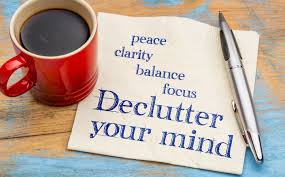
This can add to our stress. Simple changes can make a big difference. Decluttering is a great place to start.
Less stuff means less to manage. It means more peace. You don’t need a perfect, minimalist home.
You just need a home that feels restful.
Think about the atmosphere you want. Do you want it to feel cozy? Do you want it to feel calm?
You can achieve this with simple things. Soft lighting can help. Plants can bring life and calm.
Even the scents in your home matter. Natural scents from essential oils can be soothing. Keep surfaces clear as much as possible.
A tidy space can lead to a tidy mind. This isn’t about perfection. It’s about creating a haven.
Consider your routines at home. Do you rush through mornings? Do you dread cleaning?
Try to build in moments of calm. Maybe you sip your coffee slowly before the day starts. Maybe you put on some music while you tidy up.
Small rituals can transform everyday tasks. They make them feel less like chores and more like self-care. Your home should be a place where you can recharge.
Home Decluttering: A Gentle Approach
Start Small: Pick one drawer or one shelf. Don’t try to do a whole room at once.
One In, One Out: For every new item you bring home, let go of something similar.
Ask Questions: Do I use this? Do I love this? Does this serve a purpose?
Create Zones: Have a place for everything. This makes tidying easier.
Mindful Eating and Drinking
How we eat is a big part of our lives. Rushing meals can lead to poor digestion. It can also make us miss out on pleasure.
Mindful eating is about paying attention. You focus on the food. You notice its colors, smells, and textures.
You chew slowly. You savor each bite. This helps you appreciate your food more.
It also helps your body digest better.
This applies to drinks too. Are you always drinking coffee on the go? Try sitting down with your mug.
Feel its warmth. Notice the aroma. Taste the flavor.
This simple act of slowing down can be very grounding. It turns a routine task into a moment of self-care. It helps you feel more present in your day.
It’s a small way to add calm.
When you eat mindfully, you also tend to eat less. You notice when you are full. You don’t overeat.
This is good for your health. It’s also good for your wallet. Wasting food happens less.
It’s about respecting your body. It’s about respecting the food itself. It’s a way to connect with your nourishment.
Quick Mindful Eating Tip
Before You Eat: Take three deep breaths. Look at your food. Think about where it came from.
During Your Meal: Put your fork down between bites. Chew your food thoroughly. Notice the flavors.
After Your Meal: Notice how you feel. Are you satisfied? Are you comfortably full?
Connecting with Nature
Nature is a powerful antidote to busyness. Spending time outdoors can lower stress. It can boost your mood.
It can help you feel more grounded. Even a short walk in a park can make a difference. You don’t need to plan a big hiking trip.
Just step outside. Feel the sun on your skin. Listen to the birds.
Notice the trees.
Bringing nature into your home also helps. Plants can make a space feel more alive. Fresh flowers can brighten your mood.
Even looking at pictures of nature can be calming. It connects us to something larger than ourselves. It reminds us of natural rhythms.
Seasons change. Plants grow and die. This is part of life.
It’s a comforting reminder that change is natural.
Try to make nature a regular part of your life. Go for a walk during your lunch break. Sit on a park bench.
Visit a local garden. If you live in a city, seek out green spaces. If you live in the country, embrace it.
Feel the earth beneath your feet. Breathe the fresh air. It’s a simple, accessible way to slow down and reconnect.
Nature Connection Ideas
Daily Walk: Make it a point to walk outside at least once a day.
Gardening: Even a small potted plant can be rewarding.
Observe Wildlife: Watch birds, squirrels, or insects. Notice their habits.
Cloud Gazing: Lie down and watch the clouds drift by. It’s wonderfully calming.
Digital Detox and Boundaries
Our phones and screens are huge time-sinks. They can pull us out of the present moment. They can make us feel anxious.
Setting digital boundaries is crucial for slow living. This means deciding when and how you use technology. It’s not about quitting technology altogether.
It’s about controlling it.
Try to create screen-free times. Maybe you have a rule: no phones at the dinner table. Maybe you turn off notifications after a certain hour.
Maybe you designate one day a week as a digital detox day. These boundaries help you reclaim your time. They help you focus on what’s happening around you.
They help you connect with people face-to-face.
It can be hard at first. You might feel like you’re missing out. But you’ll likely find you aren’t.
Instead, you’ll gain more. You’ll gain more presence. You’ll gain more peace.
You’ll gain more time for activities that truly matter. Think about what you’d rather be doing than scrolling. Make time for that.
Schedule it in. Treat it as important as any other appointment.
Simple Digital Boundaries
No Phones in Bedroom: Charge your phone outside your bedroom.
Scheduled Social Media: Check social media only at specific times, not all day.
Notification Control: Turn off non-essential notifications.
Screen-Free Evenings: Dedicate the hour before bed to non-screen activities.
Cultivating Hobbies and Slow Activities
Hobbies are wonderful for slowing down. They engage your mind and hands. They often involve a process.
They don’t always have a big payoff or deadline. Think about knitting, painting, reading, or gardening. These activities are about the doing.
They are about the quiet focus. They bring a sense of accomplishment without pressure.
Slow activities are also about presence. They can be simple things like journaling. They can be mindful walking.
They can be listening to music without doing anything else. The goal is to be fully engaged in the activity. Not to multitask.
Not to rush. Just to be there and do the thing.
What did you love to do as a child? Often, our childhood joys point us toward things that can help us slow down. Reconnecting with these simple pleasures can be very healing.
It’s a way to nurture your inner self. It’s a way to find flow. Flow is that state where you are so absorbed in an activity that time seems to disappear.
It’s deeply satisfying.
Discovering Slow Hobbies
Revisit Past Interests: What did you enjoy before life got busy?
Try Something New: Explore crafts, music, or writing.
Focus on Process: Enjoy the steps, not just the final result.
Start Small: Dedicate just 15-30 minutes a week.
The Importance of Rest and Sleep
Rest is not a luxury; it’s a necessity. In our productivity-obsessed culture, we often see rest as a reward. We think we have to earn it.
Slow living says rest is fundamental. It’s as important as any other task. Your body and mind need downtime to recover and function.
Good sleep is vital. Aim for consistent sleep patterns. Go to bed and wake up around the same time each day.
Create a relaxing bedtime routine. This might include a warm bath, reading a book, or gentle stretching. Avoid screens before bed.
Make your bedroom a calm, dark, and cool space. Quality sleep fuels everything else you do.
Beyond sleep, allow for moments of rest during the day. This could be a short nap. It could be simply sitting quietly for a few minutes.
It could be listening to calm music. These micro-rests help prevent burnout. They help you stay present and focused.
They are small acts of self-kindness. They are essential for a slower, more sustainable life.
Sleep Hygiene Tips
Consistent Schedule: Go to bed and wake up at the same time, even on weekends.
Wind-Down Routine: Engage in relaxing activities for an hour before sleep.
Dark & Cool Room: Ensure your bedroom is dark and at a comfortable temperature.
Limit Caffeine/Alcohol: Avoid them close to bedtime.
Slowing Down Your Social Life
Our social connections are important. But a packed social calendar can be draining. Slow living encourages us to be intentional about our relationships.
It means choosing quality over quantity. It means spending time with people who uplift you.
This might mean saying no to some invitations. It might mean having fewer, but deeper, conversations. Instead of a big party, maybe you opt for a quiet coffee date.
Instead of constant texting, maybe you schedule a weekly phone call. These slower interactions build stronger bonds.
It’s also about being present when you are with others. Put your phone away. Listen actively.
Engage in genuine conversation. This makes your time together more meaningful. It strengthens your relationships.
It also helps you feel more connected and less isolated. Slowing down your social life isn’t about being unsociable. It’s about being more intentional with your energy.
Intentional Socializing
Prioritize Deep Connections: Focus on a few close relationships.
Schedule Meaningful Time: Plan one-on-one catch-ups over big events.
Be Present: Put distractions away when you are with people.
Say No Gracefully: It’s okay to decline invitations when you need downtime.
Embracing Imperfection
Slow living is a practice. It’s not about achieving a perfect state. There will be days when you feel rushed.
There will be times when you fall back into old habits. This is normal. The key is to not get discouraged.
See these moments as learning opportunities. What triggered the rush? What can you do differently next time?
Be kind to yourself. Self-compassion is a vital part of slow living. You don’t need to be perfect.
You just need to keep practicing. Each small choice to slow down adds up.
Remember why you are doing this. You are seeking more peace, more joy, and more meaning. Focus on the progress, not perfection.
Celebrate the small wins. Acknowledge when you make a mindful choice. This positive reinforcement helps build momentum.
Embrace the journey with all its ups and downs.
When to Seek Professional Help
While slow living can greatly improve well-being, it’s important to recognize when more support is needed. If you consistently struggle with overwhelming stress, anxiety, or feelings of being constantly rushed, it might be helpful to talk to a professional. Therapists and counselors can provide tools and strategies to manage these feelings.
They can also help you explore underlying issues contributing to a feeling of always being on the go. Trusted U.S. institutions like the National Alliance on Mental Illness (NAMI) offer resources for finding mental health support.
Slow living is about enhancing your life, and sometimes that involves seeking expert guidance. Your mental and emotional health are paramount.
Making Slow Living Sustainable
The goal is to make these practices a natural part of your life. It’s not about adding more tasks to your to-do list. It’s about shifting your mindset.
It’s about making conscious choices daily.
Start with one or two tips that resonate with you. Try them consistently for a week or two. See how you feel.
Then, gradually add more. Small, sustainable changes are more likely to stick. Don’t try to do everything at once.
You’ll end up feeling overwhelmed.
Be patient with yourself. This is a journey. It takes time to unlearn old habits and build new ones.
Celebrate your progress. Acknowledge when you make a slower, more mindful choice. This positive reinforcement helps you stay motivated.
Slow living is about creating a life that feels good, day by day.
Frequently Asked Questions About Slow Living
Is slow living just about doing things slowly?
No, slow living is more than just physical speed. It’s about being intentional and mindful in your actions. It means doing things with purpose and presence, rather than rushing.
It’s about quality over quantity.
Can I practice slow living if I have a demanding job?
Yes, you absolutely can. It’s about finding small pockets of slowness within your day. This could be a mindful coffee break, a short walk outside, or turning off notifications during certain hours.
It’s about making conscious choices to create calm, even in busy times.
Does slow living mean I have to give up technology?
Not at all. Slow living is about using technology intentionally. It means setting boundaries, like having screen-free times or turning off unnecessary alerts.
The goal is for technology to serve you, not control you.
How do I start incorporating slow living into my life?
Start small! Choose one or two simple tips that appeal to you. Try them consistently for a week.
For example, focus on mindful eating at one meal a day, or take a short nature walk daily. Gradually add more as you feel comfortable.
Is slow living the same as minimalism?
While there can be overlap, they are different. Minimalism focuses on owning fewer possessions. Slow living focuses on living intentionally at a more human pace.
You can practice slow living without being a minimalist, and vice versa.
What are the main benefits of slow living?
The main benefits include reduced stress and anxiety, improved well-being, increased happiness, deeper connections with others, greater appreciation for life, and a stronger sense of purpose. It helps you feel more in control of your life.
Finding Your Calm
Embracing slow living is a personal journey. It’s about finding what brings you peace. It’s about creating a life that feels good to you.
You don’t need to change everything at once. Start with small, gentle steps. Each mindful moment is a victory.
You can find more calm and joy. You can live a more fulfilling life.