What Is a Simple Living Routine?
A simple living routine is like a gentle guide for your day. It’s not about strict rules. It’s about having a basic structure.
This structure helps you move through your day with less stress. It lets you focus on what’s important. Think of it as a friendly roadmap.
It helps you get where you want to go. It makes sure you don’t get lost in the rush.
Why do we need one? Life throws a lot at us. Without a plan, days can blur together.
We might feel pulled in many directions. A routine gives us some control. It helps us use our time wisely.
It also makes sure we take care of ourselves. This is key to feeling good. It helps us feel grounded.
It’s about creating small moments of peace.
How does it work? It’s built on habits. Small, good habits add up.
They create a flow. This flow makes things predictable. Predictability can be very calming.
It means you don’t have to think about every little step. Your body and mind start to know what’s coming next. This saves mental energy.
You can then use that energy for bigger things. Or just for enjoying your day more.
My Journey to a Simple Daily Flow
I remember a time when my mornings were pure chaos. I’d wake up late, groggy from not sleeping well. Then, it was a mad dash.
I’d spill coffee, search for keys, and rush out the door. My mind would be racing before I even started my workday. I felt stressed all day.
It was like starting a race already behind.
One evening, after a particularly frazzled day, I just sat down. I looked at my messy desk and my overflowing to-do list. I felt a wave of exhaustion.
I thought, “There has to be a better way.” I started reading about routines. I saw how people found calm in small, daily steps. It felt almost impossible at first.
My life felt too unpredictable for a routine.
But I decided to try. I started with just one small thing. I decided to lay out my clothes the night before.
It took maybe two minutes. But the next morning, it made a tiny difference. I didn’t have to stand in front of my closet wondering what to wear.
That little bit of ease felt huge. It was like a small victory. It made me want to try another small step.
That’s how it began for me. Little by little, I built a routine that truly helped.
Morning Calm Boosters
Start slow: Don’t rush out of bed. Take a few deep breaths.
Hydrate: Drink a glass of water right away.
Quiet time: Read a few pages or just sit in silence.
Gentle movement: A short stretch can wake up your body.
Creating Your Own Calm Rhythm
Your life is unique. Your simple routine should be too. It’s not about copying someone else.
It’s about what feels right for you. Think about your day. When do you feel best?
When do you feel most tired? Knowing this helps you plan.
Let’s look at different parts of the day. Morning is a good place to start. Many people find that a good morning sets the tone.
What if you tried to wake up just 15 minutes earlier? That extra time can be a gift. You can use it for quiet reflection.
Or maybe for a warm drink. It’s your time. No demands.
Your midday can also get a reset. Lunchtime doesn’t have to be a quick bite at your desk. Step away if you can.
Go for a short walk. Or just close your eyes for a few minutes. This break can help you recharge.
It prevents that afternoon slump. It makes the rest of your day easier.
Evenings are important for winding down. Trying to go from a busy day to sleep can be hard. Create a buffer.
Maybe read a book. Listen to calm music. Avoid screens for an hour before bed.
This signals to your body that it’s time to rest. It helps you sleep better. Better sleep means a better next day.
Evening Wind-Down Ideas
- Journal: Write down thoughts or gratitudes.
- Warm bath: Add Epsom salts for extra relaxation.
- Light reading: Choose something calming, not work-related.
- Herbal tea: Chamomile or lavender are great choices.
- Mindful stretching: Release tension from the day.
The Power of Small, Consistent Habits
Big changes can feel overwhelming. Small habits are much easier to start. They are also easier to keep.
Think about brushing your teeth. You do it every day. It’s a small habit.
But it’s very important for your health. Simple routines work the same way.
Let’s say you want to eat healthier. Trying to overhaul your diet is tough. But what about adding one piece of fruit to your breakfast?
Or swapping one sugary drink for water? These small steps are manageable. Over time, they lead to big results.
They build on each other.
Consistency is the magic word here. It’s not about being perfect every single day. Life happens.
Some days will be off. That’s okay. The key is to get back on track the next day.
Don’t let one missed step derail you. Just pick it up again. Your routine is a tool, not a test.
What makes a habit stick? Make it easy. Make it rewarding.
If your goal is to meditate, start with just two minutes. That’s easy. Then, notice how you feel afterward.
That’s the reward. Over time, you might find you want to meditate longer. You’ve built it in naturally.
Habit Stacking: Linking New to Old
What is it? Attach a new habit to an existing one.
Example: After I brush my teeth (old habit), I will do 5 squats (new habit).
Why it works: Your brain already knows the old habit. The new one gets linked to it. It feels more natural.
Try this: After I make my morning coffee, I will write down one thing I’m grateful for.
Simplifying Your Environment
Your surroundings play a big role. A cluttered space can lead to a cluttered mind. Taking some time to simplify your home can really help your routine.
It makes your daily tasks easier. And it makes your home a more peaceful place.
Start small. Pick one drawer or one shelf. Declutter it.
Get rid of things you don’t use or need. It doesn’t have to be a huge project. Even a small cleared space can feel good.
It’s like giving your mind room to breathe. Imagine walking into a tidy kitchen. It feels different than walking into a messy one.
Think about your workspace too. If you work from home, this is vital. A clean desk helps you focus.
It reduces distractions. When you sit down to work, everything you need is there. You’re not hunting for pens or papers.
This saves time and frustration.
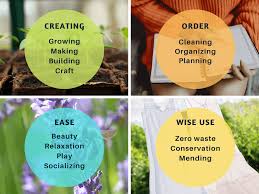
Organization is key. Use simple systems. Labels can be your friend.
Baskets and boxes help keep things tidy. The goal is to make it easy to put things away. When things have a place, they are less likely to end up scattered.
This makes your routine smoother. It removes friction points.
Decluttering Quick Wins
Zone focus: Pick one small area (e.g., the mail pile).
The 5-Minute Rule: If a task takes less than 5 minutes, do it now.
One In, One Out: When you buy something new, get rid of something similar.
Digital declutter: Organize your computer files or phone apps.
Mindful Transitions Between Activities
One of the hardest parts of a busy day is switching tasks. We often jump from one thing to the next. There’s no pause.
This can leave you feeling scattered. Mindful transitions help bridge these gaps. They create moments of calm between activities.
What does a mindful transition look like? It’s simply taking a breath. It’s acknowledging the end of one task and the start of another.
For example, when you finish a work meeting, instead of instantly jumping to the next email, take 30 seconds. Close your eyes. Take a deep breath.
Then, open your eyes and start your next task.
This applies to larger transitions too. Like moving from work to home life. You don’t have to switch gears instantly.
Maybe create a short “commute” ritual, even if you work from home. Listen to a podcast. Go for a walk around the block.
Something to signal the end of work and the start of your personal time.
These small pauses are powerful. They prevent mental whiplash. They help you be more present in each part of your day.
Instead of rushing through life, you’re actually experiencing it. You become more aware of what you’re doing. This presence is a big part of a simple, fulfilling life.
Transition Time Checklist
Task A Ending: Take a breath. Note what you accomplished.
Moment of Pause: Stretch, drink water, or look out the window.
Task B Starting: Briefly review what’s next.
Full Presence: Engage fully in the new task.
Navigating Unexpected Events
No routine is perfect. Life is full of surprises. A simple living routine is flexible.
It’s not a rigid cage. It’s a helpful structure that you can adapt. When unexpected things happen, you can adjust.
Think about a sick child or a sudden deadline. These things can throw your day off. Instead of getting upset, try to see it as a detour.
What’s the most important thing to focus on right now? Maybe it’s caring for your child. Or tackling that urgent task.
Your routine can help you prioritize even in chaos.
Having a basic structure means you have a foundation to return to. When the unexpected is over, you can slip back into your rhythm. It’s like navigating a storm.
You have a sturdy boat. When the storm passes, you get back on your course. You don’t have to start from scratch.
Don’t strive for perfection. Strive for resilience. Resilience means you can bounce back.
A simple routine builds that resilience. It helps you manage disruptions without falling apart. It gives you a sense of inner calm.
This calm helps you face whatever comes your way.
Resilience Toolkit
Flexibility: Be willing to change your plan.
Prioritization: Focus on the most urgent needs.
Self-Compassion: Be kind to yourself when things go wrong.
Return to Base: Have a plan to get back to your routine.
When is a Routine Not Helping?
Sometimes, a routine can become too strict. It can feel like a burden. If you start dreading your days, something is off.
A simple routine should make life easier. It should not make it harder.
Are you feeling bored or stifled? Maybe your routine is too predictable. It might need a touch of spontaneity.
Try adding a new activity. Visit a new place. Or try a new recipe.
Small changes can add some freshness. They can keep things interesting.
Are you feeling overwhelmed by trying to stick to it? Perhaps the routine is too complex. You might have too many habits to track.
Simplify it again. Go back to the basics. What are the core habits that truly serve you?
Focus on those.
If your routine is causing anxiety or guilt, it’s time to rethink. A routine should support you. It should not control you.
Be honest with yourself. Is it helping you feel more peace? Or is it adding stress?
Your well-being is the most important thing.
Routine Check-Up
How do you feel? Energized? Drained? Content?
Is it flexible? Can you adapt when needed?
Is it sustainable? Can you keep this up long-term?
Is it serving you? Does it help you achieve your goals?
Incorporating Simplicity in Your Schedule
A simple living routine isn’t just about what you do. It’s also about what you don’t do. It’s about saying no.
It’s about protecting your time and energy.
Look at your calendar. Are there commitments that drain you? Do they align with your values?
It’s okay to decline invitations. It’s okay to pass on extra tasks. This is not selfish.
It’s smart self-care. It allows you to do the things that truly matter.
Schedule downtime. Yes, schedule it. Put “rest” or “free time” on your calendar.
Treat it like any other important appointment. This ensures you actually get it. Without it, work or other demands can fill every slot.
Batch similar tasks. If you have a lot of errands, try to do them all on one day. If you have many emails to answer, set aside a specific time for them.
This reduces the mental load of switching contexts. It makes your schedule more efficient.
Saying ‘No’ Gracefully
“Thank you for thinking of me, but I can’t take on anything new right now.”
“I appreciate the offer, but my plate is full.”
“I need to check my schedule. I’ll get back to you.” (This gives you time to decide.)
“I’m focusing on X right now, so I can’t commit to Y.”
The Emotional Benefits of a Simple Routine
The impact of a simple routine goes beyond just organization. It touches your emotions deeply. When your days have a calm flow, you feel less anxious.
You feel more in control. This sense of control is powerful.
You might find yourself feeling more patient. With yourself and with others. When you’re not rushed, you have the space to react thoughtfully.
Instead of snapping, you can respond calmly. This improves your relationships.
There’s also a sense of accomplishment. Even small habits completed daily add up. This builds confidence.
You start to believe in your ability to create the life you want. This is incredibly empowering.
And perhaps most importantly, a simple routine creates space for joy. When you’re not constantly fighting fires, you notice the good things. The warm sun, a funny conversation, a delicious meal.
These simple pleasures become more visible. They enrich your life. You start to appreciate the everyday moments more.
Emotional Wins
Reduced Anxiety: Predictability calms the nervous system.
Increased Patience: Less rushing means more thoughtful responses.
Boosted Confidence: Small wins build self-efficacy.
Greater Joy: Noticing and appreciating simple pleasures.
Making Your Routine Work for Your Lifestyle
A routine for a student looks different from a routine for a retiree. A busy parent’s schedule is unlike a solo traveler’s. The beauty of simplicity is its adaptability.
You mold it to fit your life, not the other way around.
Consider your energy levels throughout the day. Are you a morning person? Then tackle your most demanding tasks first.
If you hit your stride in the afternoon, schedule important calls then. Aligning tasks with your natural energy flow makes everything feel easier. It prevents burnout.
Think about your most important commitments. What absolutely must happen each day or week? Build your routine around these anchors.
Then, fill in the gaps with smaller, more flexible habits.
Don’t forget your social life and personal interests. A simple routine isn’t about sacrificing everything fun. It’s about making space for what nourishes your soul.
If you love painting, schedule it in. If seeing friends is important, make time for that. These are not optional extras; they are vital to a balanced life.
Lifestyle Adaptations
Parents: Focus on batching chores, prepping meals, and quiet morning routines before kids wake.
Students: Integrate study blocks, review sessions, and exercise between classes.
Remote Workers: Create clear work boundaries, schedule movement breaks, and a distinct end-of-day shutdown ritual.
Retirees: Blend hobbies, social connections, gentle exercise, and flexible daily structure.
Tips for Sticking with Your Simple Routine
Starting a routine is one thing. Sticking with it is another. It takes effort and intention.
But it gets easier over time. Here are some ways to help you stay on track.
Visualize your success. Imagine yourself waking up refreshed. Imagine completing your tasks with ease. Picture yourself feeling calm and in control.
This positive mental image can be a powerful motivator.
Find an accountability partner. Share your goals with a friend or family member. Check in with each other regularly. Knowing someone else is aware of your efforts can help you stay committed.
Celebrate small wins. Did you stick to your morning routine for a week? Treat yourself! It doesn’t have to be big.
A nice cup of coffee or an extra 15 minutes of reading can be a great reward.
Review and adjust. Your needs will change. Your routine should too. Set aside time once a month to review.
What’s working well? What needs tweaking? Be willing to make changes.
This keeps your routine relevant and effective.
Sticking Power Secrets
Track your progress: Use a simple checklist or app.
Prepare for challenges: Think about what might derail you and plan for it.
Stay flexible: Don’t let one missed day turn into a week.
Focus on the ‘why’: Remember the benefits of your routine.
Frequently Asked Questions About Simple Living Routines
Is a simple routine only for people with lots of free time?
Not at all! In fact, a simple routine can help you find more time. It makes your day more efficient.
It helps you focus on what’s important. Even 15-20 minutes of focused routine in the morning or evening can make a big difference.
How long does it take to form a new habit?
Experts say it can take anywhere from 18 to 254 days to form a new habit. The average is about 66 days. It really depends on the person and the habit.
The key is to be patient and consistent. Don’t give up if it takes time.
What if my job has unpredictable hours?
That’s a common challenge. Focus on a flexible routine. You might not have the same schedule every day.
But you can have core habits. For example, always drink water when you wake up. Or always spend 5 minutes tidying before bed.
These smaller anchors can help. They provide a sense of normalcy.
Do I need a special planner or app?
No, you don’t need fancy tools. A simple notebook and pen can work perfectly. Or even just a mental plan.
If you do like apps, there are many free ones that can help track habits. The tool is less important than the consistent action.
Can a simple routine help with feeling overwhelmed?
Yes, absolutely. Feeling overwhelmed often comes from a lack of control. A routine gives you a sense of order and predictability.
It breaks down your day into manageable parts. This can significantly reduce feelings of stress and being overwhelmed. It’s like having a steady hand in a chaotic world.
What’s the biggest mistake people make when starting a routine?
Trying to change too much too soon. They create a long list of new habits. Then they get discouraged when they can’t do it all.
It’s much better to start with one or two small, easy habits. Once those feel natural, you can add more.
Finding Your Peaceful Daily Rhythm
Building a simple living routine is a journey. It’s about creating a life that feels calm and full. It’s not about perfection.
It’s about progress. Every small step you take makes a difference.
Remember to be kind to yourself. There will be days that don’t go as planned. That’s okay.
The goal is not to be a robot. The goal is to create a supportive structure. A structure that helps you feel your best.
Start today. Pick one small thing. Maybe it’s drinking a glass of water when you wake up.
Or reading for five minutes before bed. Whatever it is, start there. You’ve got this.
Your peaceful daily rhythm awaits.