What Is Minimalist Living?
Minimalist living is not about owning nothing. It’s about owning only what you need or love. It’s a choice.
You decide what is important. You let go of the rest. This helps you focus on what matters.
It can be your family, your hobbies, or your peace of mind.
It is a way to live with less. You have fewer things. This means less to clean.
It means less to organize. It means less to worry about. Your space feels lighter.
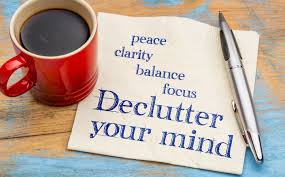
Your mind feels clearer.
Many people think minimalism is extreme. They picture empty rooms. They think you have to give up everything.
That is not true for most. Minimalism is personal. It fits your life.
It’s about finding your own balance.
Think of it like this: You are curating your life. You pick the best items. You keep what serves you well.
You say goodbye to what doesn’t.
Why Try Minimalism? My Own Journey
I remember a time I felt buried. My apartment was full. Every surface had something on it.
Boxes were stacked in corners. I felt stressed just walking through my own home. It felt like a constant battle to find things.
One Saturday, I looked around. I felt a wave of exhaustion. I had so many things.
Yet, I didn’t feel happy. I felt trapped by my possessions. I wanted more space to breathe.
I wanted less noise. I wanted more time for things I loved, like reading or just sitting quietly.
I started small. I chose one drawer. It was a junk drawer.
I pulled everything out. I sorted it. I threw away broken pens.
I tossed old batteries. I found items I forgot I had. It felt good to clear it.
It was a tiny win. But it showed me the power of letting go.
That little drawer changed things. It gave me hope. It showed me that change was possible.
It wasn’t about a huge overhaul. It was about small, consistent steps. I started to see my belongings differently.
I asked myself: Do I use this? Do I love this? Does it bring me joy or serve a real purpose?
The more I let go, the lighter I felt. My mind stopped racing. I had more energy.
I could focus better. My apartment started to feel like a home again, not a storage unit. It was a journey, and it still is.
But the feeling of freedom was worth every item I parted with.
The Core Idea of Minimalism
Focus on Value: Minimalism isn’t about deprivation. It’s about gaining. You gain freedom.
You gain time. You gain peace. You gain clarity.
Intentionality: Every item you keep should be a conscious choice. You chose it for a reason. It serves a purpose or brings you joy.
Less is More: By reducing possessions, you often increase appreciation. You notice and enjoy what you have more.
Getting Started: Where to Begin?
Starting can feel overwhelming. Don’t try to do it all at once. Pick one area.
A small area is best. A shelf. A drawer.
Your closet. These small wins build momentum.
Think about your digital life too. Do you have too many apps? Too many unread emails?
Digital clutter can be just as draining. Start by deleting apps you don’t use. Unsubscribe from emails that clutter your inbox.
Set a timer. Even 15 minutes can make a difference. Focus on that small space.
When the timer goes off, you’re done. You can come back later. This makes it less scary.
Another way to start is by looking at categories. Pick one category. For example, books.
Go through all your books. Keep only the ones you love or reference often. Donate the rest.
This step-by-step approach makes it manageable. It stops you from feeling swamped. Each small step is progress.
Celebrate these wins. They keep you motivated.
Start with Your Clothes
Go Through Everything: Take all your clothes out. Yes, all of them.
Sort into Piles: Keep. Donate. Trash.
Maybe.
Ask Key Questions: Does it fit? Do I wear it? Is it in good shape?
Do I feel good in it?
Be Honest: If you haven’t worn it in a year, let it go. The “maybe” pile should be small. Revisit it later.
Decluttering Your Home: Practical Steps
Decluttering is the first big step. It means getting rid of things. Things you don’t need.
Things you don’t use. Things you don’t love.
The Four-Box Method: This is a popular technique. Get four boxes or bags. Label them: Keep, Donate, Trash, Relocate.
Go through your space. Put each item into one of the boxes. For “Relocate,” these are items that belong in another room.
Put them away later.
One In, One Out Rule: This is great for maintenance. When you buy something new, get rid of something similar. Bought a new shirt?
Donate an old one. This stops clutter from returning.
Sentimental Items: These are the hardest. Don’t rush this. Take photos of items if you can’t keep them.
You can create a digital album. For some items, keep just one representative piece.
Clear Surfaces: Countertops, tables, desks. Keep these as clear as possible. This creates a sense of calm.
Only have items out that you use daily. Put the rest away.
Decluttering Mindset Shifts
It’s Not About What You Lose: It’s about what you gain. More space. More time.
More peace.
Things Don’t Define You: Your worth is not in your stuff.
Let Go of Guilt: You don’t have to keep things “just in case.” You don’t have to keep things because someone gave them to you. That gift was about their love, not an obligation to keep an item forever.
Organizing What You Keep
Once you’ve decluttered, organizing is key. This is about making sure the items you keep have a home. This makes them easy to find and put away.
Everything Needs a Place: Every item should have a designated spot. If it doesn’t, decide where it will live. If you can’t find a place, maybe you don’t need it.
Use Containers Wisely: Bins, baskets, drawer dividers. These help group similar items. They keep things tidy.
But don’t buy too many containers. Get them after you declutter. Know what you need to store.
Vertical Space: Use shelves. Use wall organizers. This saves floor space.
It makes your rooms feel bigger.
Labeling: For opaque bins or boxes, labels are helpful. They tell you what’s inside. This saves time searching.
Quick Organization Tips
Drawer Dividers: Perfect for kitchens, bathrooms, and offices. Keep small items from becoming a mess.
Shelf Risers: Double your shelf space in cabinets. Great for pantries and under sinks.
Wall Hooks: Use them by the door for keys and bags. Use them in closets for belts and scarves.
Minimalist Mindset: Shifting Your Perspective
Minimalism is more than just decluttering. It’s a mindset. It’s a way of thinking about your possessions.
Focus on Experiences, Not Things: Memories from trips or time with loved ones last longer than any object. Invest in experiences. They enrich your life.
Practice Gratitude: Be thankful for what you have. This reduces the desire for more. When you appreciate your current possessions, you are less likely to feel lacking.
Resist Impulse Buys: Before buying something, pause. Ask yourself: Do I really need this? Where will it live?
Can I borrow it? Can I buy it used?
Value Quality Over Quantity: It’s better to have a few high-quality items that last. These items often serve you better. They look better.
They feel better.
Mindset Checkpoints
“Just in case” thinking: Is this item truly necessary for rare emergencies? Or is it taking up space for a fear that might not happen?
“What if I need it later?”: Most things can be replaced if truly needed. Plus, the time spent searching for it might be more valuable than the item itself.
“It was expensive”: Holding onto something out of guilt for the money spent is keeping you tied to the past. Let it go and focus on future good decisions.
Minimalism for Different Areas of Life
Minimalism can be applied beyond just your physical home.
Minimalist Wardrobe: Think of a capsule wardrobe. A few versatile pieces. They all mix and match.
This makes getting dressed easy. You don’t stare into a full closet with “nothing to wear.”
Minimalist Schedule: Your time is precious. Don’t overcommit. Say no to things that don’t align with your priorities.
Protect your energy and focus.
Minimalist Diet: Focus on whole, simple foods. Fewer processed items. This can simplify cooking and improve health.
Minimalist Relationships: Nurture connections that are positive and supportive. Let go of toxic relationships that drain you.
Capsule Wardrobe Ideas
Base Layers: Neutral tops (white, black, grey, beige).
Bottoms: Jeans, simple trousers, a skirt.
Outerwear: A versatile jacket or coat.
Shoes: Comfortable sneakers, a pair of boots, simple flats.
Accent Pieces: A scarf, a statement necklace. These add variety.
Common Challenges and How to Overcome Them
It’s not always easy. You’ll face challenges. That’s normal.
Guilt about getting rid of gifts: Remember, the gift was an act of love. You don’t owe the giver a lifetime of storing an item. Donate it.
Someone else might love it.
Fear of missing out (FOMO): If you see something trendy, ask yourself if it truly fits your needs or values. Don’t buy things just because others have them.
Family or partner resistance: Talk to them. Explain your reasons. Start small in your own space.
Lead by example. You can’t force others to be minimalists.
The “what if I need it?” fear: For most everyday items, this fear is unfounded. If you truly need something rare, you can often borrow it or buy it again if necessary.
Myth vs. Reality
Myth: Minimalism means living in a white, sterile box with only 100 items.
Reality: Minimalism is personal. It’s about what works for you. Your home can be colorful and cozy.
Myth: Minimalists are stingy and never buy anything.
Reality: Minimalists are intentional shoppers. They buy fewer, but often higher quality, items they truly need and love.
Maintaining a Minimalist Lifestyle
Decluttering once isn’t enough. It’s an ongoing process.
Regular Decluttering Sessions: Schedule them. Once a month. Once a season.
Go through a small area. Keep things from piling up.
Mindful Consumption: Be aware of what you bring into your home. Every purchase has an impact. Does it add value?
Or does it add clutter?
The “One In, One Out” Rule: As mentioned, this is crucial. For clothes, books, tools, etc.
Digital Decluttering: Keep your phone and computer clean. Delete unused apps. Organize files.
Unsubscribe from junk mail.
Quick Maintenance Checklist
Weekly: Tidy surfaces. Put things back in their homes.
Monthly: Go through one drawer or shelf. Check your mail and unsubscribe from junk.
Seasonally: Review your wardrobe. Declutter any items you haven’t worn.
The Benefits of Minimalist Living
Why go through all this? The rewards are huge.
More Free Time: Less time spent cleaning, organizing, and shopping.
Less Stress: A cluttered home can lead to a cluttered mind. Less stuff means less mental load.
Financial Savings: You buy less. You save money. This allows you to spend on what truly matters.
More Focus: With fewer distractions, you can concentrate on your goals and passions.
Increased Freedom: The freedom to move. The freedom to travel. The freedom from being tied down by possessions.
Environmental Benefits: Buying less means less waste. It’s better for the planet.
Minimalism and Sustainability
Minimalism naturally aligns with sustainability. When you consume less, you create less waste.
Buying Used: Secondhand stores, thrift shops, online marketplaces. These are great for finding items without creating new demand.
Repairing Items: Instead of replacing something broken, try to fix it. This extends its life.
Borrowing or Renting: For items you only need occasionally, like special tools or party supplies, borrowing or renting is a great option. This reduces the need for everyone to own one.
Choosing Durable Goods: When you do buy new, opt for items made to last. They might cost more upfront but save you money and reduce waste in the long run.
Sustainable Minimalism Choices
Reusable Items: Water bottles, coffee cups, shopping bags.
Minimal Packaging: Choose products with less plastic or unnecessary wrapping.
Supporting Local: Buying from local makers or farmers often means less transportation and support for your community.
When is Minimalism Not the Answer?
While minimalism is great for many, it’s not a universal solution.
Extreme Hoarding: If you struggle with compulsive hoarding, professional help is essential. Minimalism advice alone won’t be enough. The underlying issues need addressing first.
Safety Concerns: In some situations, having extra supplies or backup items can be crucial for safety. Think about emergency preparedness kits. These are practical, not clutter.
Certain Collections: If you have a passion for collecting that genuinely brings you joy and doesn’t overwhelm your life, it’s okay. Minimalism is about intentionality, not deprivation.
Professional Needs: Some professions require specialized tools or a large inventory. Managing this efficiently is key, rather than eliminating it entirely.
Your Next Steps Towards a Simpler Life
You’ve learned a lot today. Now it’s time to act.
Choose One Small Task: Pick one drawer. One shelf. Or one category like books.
Set a Timer: 15-30 minutes is enough to start.
Be Kind to Yourself: This is a journey. There will be ups and downs. Celebrate your progress.
Focus on the Feeling: Remember why you started. The calm. The freedom.
The peace. Hold onto that feeling.
Frequently Asked Questions about Minimalist Living
What is the easiest way for a beginner to start with minimalism?
The easiest way to start is by picking one small, manageable area. Think of a single drawer, a shelf, or even your bedside table. Set a timer for 15-20 minutes and declutter just that one spot.
This small win builds confidence.
Do I have to get rid of all my sentimental items to be a minimalist?
No, not at all. Minimalism is about intentionality. You can keep a few sentimental items that truly mean the most to you.
Consider displaying them or storing them thoughtfully. For many, taking photos of sentimental items is also a good way to preserve memories without keeping the physical object.
How can I stop buying so many things?
Practice mindful consumption. Before buying something, ask yourself: Do I truly need this? Where will it live in my home?
Can I borrow it? Can I find it used? Also, try the “one in, one out” rule where you get rid of an item for every new item you bring in.
What if my partner or family members don’t want to be minimalist?
Minimalism is a personal journey. You can start with your own space and belongings. Lead by example.
Explain your motivations calmly and focus on the benefits you experience. They may become curious and join you over time, or at least respect your choices.
How often should I declutter?
It depends on your lifestyle and how quickly clutter accumulates. Many people find it helpful to do a quick tidy-up weekly, a more focused declutter of a specific area monthly, and a larger wardrobe or seasonal declutter a few times a year. The key is consistency.
Is minimalism about being cheap?
Not at all. Minimalism is about being intentional with your resources, including money. While minimalists often spend less because they buy fewer items, they may choose to invest in higher-quality, durable items when they do purchase.
It’s about value, not just cost.
Conclusion
Starting minimalist living is an adventure. It’s about finding what truly matters to you. It’s about creating space.
Space for joy. Space for peace. Take small steps.
Be patient. You’ll love the feeling of lightness and freedom.