
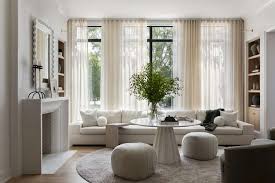
Finding peace at home can feel like a challenge. Your living room is often the heart of your home. It’s where you relax, connect with loved ones, and unwind.
But sometimes, it feels more chaotic than calm. That’s where simple living room ideas come in. We’ll explore how to bring more tranquility to your space.
You’ll learn to make your living room a true sanctuary.
Creating a calm living room involves thoughtful choices about color, comfort, and clutter. Focus on soft hues, natural textures, and organized spaces. Simple adjustments can make a big difference in how you feel at home.
Understanding Calm Living Room Design
A calm living room is more than just tidy. It’s a feeling. It’s a space that soothes you.
It helps you de-stress after a long day. This type of design focuses on simplicity. It uses elements that promote relaxation.
Think about gentle colors. Consider soft fabrics. Keep the space feeling open and airy.
A calm room is free from harsh visual noise. It invites peace and quiet.
Why is a calm living room important? Our homes are our refuges. They should be places where we can recharge.
A busy or cluttered living room can add to our stress. It can make us feel restless. A calm space, however, helps our minds slow down.
It helps us feel more grounded. This is true for people in all kinds of homes. Whether you live in a small apartment or a large house, calm is achievable.
It’s about intentional design choices.
How does a calm living room work? It taps into our senses. Soft lighting creates a gentle mood.
Natural materials like wood and cotton feel grounding. Muted colors are easy on the eyes. A lack of clutter means fewer distractions.
The overall effect is one of peace. It’s a space that feels welcoming and safe. It helps us escape the demands of the outside world.
My Experience Creating a Peaceful Corner
I remember one evening, after a particularly rough week. I walked into my living room, and it just felt… loud. Not audibly loud, but visually loud.
There were papers stacked on the coffee table. A pile of magazines sat by the armchair. The throw pillows were a mix of bright, clashing patterns.
Even the lamp light seemed a bit harsh. I felt an immediate sense of unease. My shoulders were tight.
I just wanted to hide, not relax.
That’s when I decided to create a dedicated calm corner. I cleared off the coffee table. I put away the stray papers and magazines into a nice basket.
I swapped out the busy pillows for ones in soft, neutral tones. I even found a small, dimmable lamp with a warm bulb. I added a small plant.
The change was amazing. Just that one small area felt like a breath of fresh air. It was proof that small changes can have a big impact.
It was my little escape within the larger room.
Designing Your Calm Oasis
Let’s dive into how you can build your own peaceful living room. It’s not about expensive makeovers. It’s about smart, simple choices.
We’ll look at colors, furniture, and decor. We’ll also talk about light and organization.
Color Palette: The Foundation of Calm
Choosing the right colors is key. Soft, muted colors help a room feel peaceful. Think about nature’s calming shades.
Blues and greens are often good choices. They remind us of the sky and the sea.
Shades like:
- Soft blues
- Sage greens
- Warm grays
- Creamy whites
- Blush pinks
These colors don’t fight for attention. They create a serene backdrop. Avoid bright, loud colors.
They can make a room feel energetic, which isn’t always calm.
Choosing Calming Colors
When you pick colors, consider how they make you feel. Do certain colors make you feel anxious? Do others make you feel relaxed?
Most people find lighter, softer colors more calming. These colors can make a room feel bigger and more open.
For walls, a light gray or a soft white is a great start. You can then add pops of color with your decor. A pale blue sofa can be very inviting.
Green cushions can bring a touch of nature indoors. The goal is a harmonious blend. Avoid strong contrasts that jolt the eye.
Instead, aim for gentle transitions between shades.
Furniture Layout for Flow
How you arrange your furniture matters a lot. A cluttered layout makes a room feel cramped. It can also block natural light.
Think about how you move through the room.
Try these tips:
- Create Zones: Designate areas for different activities. A reading nook. A conversation area.
- Leave Space: Don’t push all furniture against the walls. Pulling pieces away slightly can make the room feel larger.
- Clear Pathways: Ensure easy paths from doors to seating. Avoid placing furniture in the middle of these paths.
- Consider Scale: Use furniture that fits the size of your room. Overly large pieces can overwhelm a small space.
A good layout feels natural. It guides you smoothly through the room.
Furniture Choices for Comfort and Calm
Your furniture should invite relaxation. Choose pieces that are comfortable. Soft, plush sofas are always a good idea.
Consider natural materials. Wood accents can bring warmth. Fabrics like cotton or linen feel natural and soft.
Think about the shapes of your furniture. Rounded edges can feel softer than sharp corners. They invite a more gentle feel.
Avoid furniture that looks too stark or rigid. The goal is to create a welcoming embrace.
When selecting a sofa, consider its depth. Can you sink into it? Are the cushions supportive?
These details make a big difference. For chairs, look for ones with good back support. A comfortable armchair is a must for a calm living room.
Lighting: Setting the Mood
Lighting is crucial for atmosphere. Harsh overhead lights can kill the mood. Instead, layer your lighting.
Use a mix of ambient, task, and accent lighting.
Ambient light: This is the main light in the room. Consider a dimmer switch. This lets you control the brightness.
Warm bulbs are better than cool ones. They cast a cozy glow.
Task light: This is for specific activities. A floor lamp next to a reading chair is an example. It provides focused light without being too bright for the whole room.
Accent light: This highlights art or decorative items. Small lamps on tables can do this. Candles also add a warm, flickering light.
Use them safely, of course.
Natural light is also very important. Maximize it by keeping windows clear. Use sheer curtains instead of heavy drapes if you want privacy.
The Power of Natural Light
Letting in natural light is one of the easiest ways to make a room feel more calm. Sunlight has a natural rhythm. It helps regulate our mood and energy.
Open your curtains wide during the day. If you need privacy, sheer curtains are perfect. They allow light to enter while still obscuring the view from outside.
Consider the direction your windows face. A room that gets direct afternoon sun might get too warm. You might need to use blinds or shades then.
North-facing rooms get softer, more diffused light. This can be very calming. If your room is dark, adding mirrors can help bounce light around.
This makes the space feel brighter and more open.
Decluttering for Peace of Mind
Clutter is the enemy of calm. It’s visually distracting. It makes a room feel busy and stressful.
Regular decluttering is key. Don’t let things pile up.
Have a place for everything: Use storage solutions like baskets, shelves, and cabinets. This keeps items out of sight but still accessible.
One in, one out rule: When you buy something new, try to get rid of something similar. This stops clutter from building up.
Visible storage: Use attractive baskets or bins for things you need handy. This looks intentional, not messy.
Digital declutter too: Even messy cables can add to visual noise. Use cable ties or covers to manage them.
A tidy room leads to a tidy mind. It’s a simple but powerful concept.
Smart Storage Solutions
Storage is your best friend when aiming for a calm living room. It’s not about hiding everything away in dark closets. It’s about having organized, accessible storage.
Think about stylish baskets. These can hold blankets, magazines, or remotes. They add a decorative touch.
A coffee table with drawers or shelves is very useful. Ottomans with storage inside are also great. They serve as extra seating and a place to hide things.
Built-in shelving can be a fantastic way to keep books and decor tidy. If you don’t have built-ins, consider freestanding bookshelves. Use them to display a few items nicely.
Avoid overcrowding them.
The key is to have systems. When everything has a home, it’s easy to put things away. This prevents clutter from accumulating.
It makes cleaning up quick and effortless.
Natural Elements: Bringing the Outdoors In
Bringing elements from nature into your home can be very grounding. Plants are a fantastic way to do this.
- Plants: They add life, color, and texture. They also help clean the air. Choose low-maintenance plants if you don’t have a green thumb.
- Wood Tones: Natural wood furniture or accents add warmth and a connection to the earth.
- Stone or Ceramic: Vases, decorative bowls, or even coasters made from these materials can add a natural feel.
- Natural Fabrics: Cotton, linen, wool, and jute are all excellent choices. They have a soft, organic texture.
These elements create a sense of balance and peace. They remind us of the natural world.
The Calming Influence of Plants
I’ve always found that adding plants instantly makes a room feel more alive and serene. Even one or two well-placed plants can transform a space. They bring a bit of the outdoors in.
This is very grounding. Plants also have the added benefit of improving air quality.
Consider low-light plants if your living room doesn’t get much sun. Snake plants and ZZ plants are very forgiving. If you have more light, you might try a fiddle leaf fig or a bird of paradise.
Grouping plants together can create a beautiful natural display. Make sure they are in pots that complement your decor. A simple terracotta pot can be very charming.
Don’t forget about dried flowers or pampas grass. These also bring a natural, textured element to a room. They require very little upkeep.
Texture Play: Adding Depth Without Clutter
Texture adds interest and comfort to a room. It can make a space feel richer and more inviting. Without texture, a room can feel flat or sterile.
Think about:
- Soft Blankets: Chunky knit throws or faux fur blankets add coziness.
- Rugs: A soft rug underfoot can define an area and add warmth. Natural fibers like wool or jute are great.
- Cushions: Mix and match textures on your sofa. Velvet, linen, and boucle can all work together.
- Woven Baskets: They add a natural, tactile element.
- Wood Finishes: Smooth polished wood versus rough, natural wood grain.
Layering textures creates a sensory experience. It makes the room feel more inviting and comfortable.
Creating Harmony with Textiles
The right textiles can make all the difference. Imagine sinking into a sofa with soft linen cushions. Drape a cozy, chunky knit throw over the arm.
These small touches add layers of comfort. They invite you to relax.
When choosing textiles, consider the feel and look. A velvet cushion adds a touch of luxury. A linen curtain adds a light, airy feel.
A thick wool rug underfoot feels warm and inviting. The key is to choose materials that feel good to the touch.
Don’t be afraid to mix textures. A smooth leather chair can look great with a soft wool throw. A woven rug can complement a silkier cushion.
The combination creates visual interest. It adds depth to the room.
Personal Touches: Making It Yours
A calm space doesn’t mean a sterile space. It should reflect you. Add items that have meaning.
- Art: Choose pieces you love. They don’t have to be expensive.
- Photos: Display cherished memories. Use simple frames.
- Books: Stack them neatly. They add personality and color.
- Souvenirs: A few special items from travels can add character.
The key is to display items intentionally. Avoid cluttering surfaces. A few well-chosen pieces tell your story.
They make the room feel personal and welcoming.
Displaying Meaningful Items
Your living room should feel like you. It’s not a showroom. It’s a place where you live.
Incorporate items that bring you joy. This could be artwork that speaks to you. Perhaps it’s a collection of your favorite books.
Maybe it’s a few framed family photos.
When displaying personal items, do so thoughtfully. Instead of a crowded shelf, choose one or two key pieces. A single, beautiful vase can be more impactful than a shelf full of knick-knacks.
Arrange photos in a cohesive way. Group them together on one wall or surface. This creates a focal point without overwhelming the space.
These personal touches are what make a house a home. They add warmth and character. They make the space feel lived-in and loved.
They also add to the sense of peace because they connect you to positive memories.
Scent and Sound: The Unseen Elements
Don’t forget about the senses of smell and hearing. These play a big role in how a room feels.
- Scent: Use natural scents like essential oils (lavender, chamomile). A subtle diffuser can create a relaxing aroma. Avoid strong, artificial air fresheners.
- Sound: Minimize harsh noises. Consider a small water feature for a gentle sound. Play soft, ambient music. White noise machines can help mask distracting sounds.
These elements work in the background. They contribute to the overall feeling of calm. They engage your senses in a soothing way.
Engaging Your Senses for Calm
Creating a truly calm living room involves more than what you see. It involves how the room feels to all your senses. The sense of smell is powerful.
A room that smells clean and fresh feels more peaceful. You can achieve this with natural methods. Open windows for fresh air.
Use essential oil diffusers with calming scents like lavender or sandalwood.
Sound is also very important. Is your living room prone to outside noise? Consider thicker curtains or rugs.
They can help absorb sound. If you have noisy appliances, try to keep them out of the main living area. Playing soft, instrumental music can create a relaxing atmosphere.
Nature sounds, like rain or ocean waves, are also very soothing.
Think about the touch of fabrics. Are they soft and inviting? Does the floor feel warm underfoot?
These tactile experiences contribute greatly to comfort and peace.
When is it Normal vs. Concerning?
Feeling a bit overwhelmed or stressed in your living room is normal sometimes. Life happens! The key is whether it’s a persistent feeling.
If you consistently feel anxious or unsettled in your living room, it might be time to assess the space.
When it’s normal:
- After a busy day, you might feel a bit tired.
- Sometimes, small messes happen.
- Guests are visiting, and the energy is more lively.
When to worry (or at least investigate):
- You feel a constant sense of overwhelm or anxiety in the room.
- You avoid spending time in your living room.
- The clutter feels unmanageable, no matter how much you try to clean.
- Disagreements or arguments often happen in this space, making it feel tense.
If you notice the latter, it’s a sign the room’s atmosphere might be contributing to the feeling. Making changes can help.
Quick Tips for a Calmer Living Room
Here are some simple steps you can take right away:
- Clear Surfaces: Spend 5 minutes clearing off your coffee table and side tables. Put items back in their designated spots.
- Fluff Cushions: A quick fluff can make your sofa look more inviting.
- Open Curtains: Let in as much natural light as possible during the day.
- Dim Lights: Turn off harsh overhead lights. Use softer lamps instead.
- Add a Plant: Even a small, easy-care plant can make a difference.
- Light a Candle: A calming scent can instantly shift the mood. (Use safely!)
- Put Away Loose Items: Gather any stray books, remotes, or mail and put them in a basket or drawer.
These small actions can create an immediate sense of calm.
Frequently Asked Questions About Calm Living Rooms
What are the best colors for a calm living room?
Soft, muted colors are best. Think light blues, sage greens, warm grays, creamy whites, and blush pinks. These colors are easy on the eyes and promote relaxation.
How can I make my living room feel less cluttered?
Declutter regularly and establish a “home” for everything. Use smart storage solutions like baskets, shelves, and ottomans. Keep surfaces clear and put items away after use.
What kind of lighting is best for a calm living room?
Layer your lighting. Use dimmers for ambient light. Add floor lamps or table lamps for task and accent lighting.
Opt for warm-toned bulbs. Maximize natural light during the day.
Should I use plants in a calm living room?
Yes, plants are excellent for a calm living room. They bring nature indoors, add life, and can improve air quality. Choose plants that suit your light conditions and maintenance ability.
What is the role of texture in a calm room?
Texture adds depth and comfort without adding visual clutter. Soft throws, plush cushions, and natural fiber rugs invite you to relax and engage your senses positively.
Can I use bold decor in a calm living room?
Yes, you can, but sparingly. A single piece of bold art or a striking plant can serve as a focal point. The key is balance.
Ensure the majority of the room supports a calm atmosphere.
Conclusion: Your Peaceful Living Space
Creating a calm living room is an ongoing journey. It’s about making small, conscious choices. Focus on soft colors, natural elements, and a clutter-free space.
Your living room can become a sanctuary. It’s a place for rest, rejuvenation, and connection. Enjoy making your home a haven of peace.