Slow living is a mindful approach to life. It focuses on presence and intention. It means doing fewer things, but better.
The goal is a richer, more meaningful experience. It’s about savoring moments. It’s about reducing stress and burnout.
It helps you connect more with yourself and others. This lifestyle prioritizes well-being over constant busyness.
What Exactly Is Slow Living?
Slow living is not about being lazy. It is not about avoiding responsibilities. Instead, it’s about being more mindful.
It’s about making conscious choices. You choose how you spend your time. You choose what activities fill your days.
It’s a deliberate shift from a hurried pace. It’s a move towards quality over quantity.
Think about the opposite. Many people are caught in a “busyness trap.” They feel they must always be doing something. They fill every moment.
This often leads to stress and exhaustion. It can make life feel empty. Slow living offers an alternative path.
It’s about finding fulfillment in simpler things.
This lifestyle values connection. It values experiences. It values rest.
It is deeply personal. What slow living looks like can vary. It depends on your unique life.
It depends on your personal goals. The core idea remains the same: live with purpose and presence.
Why So Many People Are Drawn to Slow Living
The modern world is demanding. We are always connected. We have constant notifications.
This can be overwhelming. Many people feel burnt out. They feel disconnected from themselves.
They feel disconnected from loved ones. They crave a sense of balance. They want more peace.
This is where slow living comes in.
It offers a way to reclaim your time. It offers a way to reclaim your energy. It helps you focus on what truly matters.
This can be your health. It can be your relationships. It can be your personal growth.
It can be enjoying simple pleasures.
The benefits are vast. You might feel less stressed. You might sleep better.
Your relationships might deepen. You might find more creativity. Your overall happiness can increase.
It’s a holistic approach to well-being. It recognizes that we are more than just workers. We are also individuals who need rest and joy.
The Core Pillars of Slow Living
Presence: Being fully in the moment. Not worrying about the past or future.
Intention: Making deliberate choices about how you spend your time.
Connection: Deepening relationships with people, nature, and yourself.
Mindfulness: Paying attention to your thoughts, feelings, and surroundings.
Simplicity: Reducing clutter, obligations, and distractions.
Sustainability: Living in a way that respects the planet and future generations.
My Own Journey: The Day the Hamster Wheel Stopped
I remember a specific Tuesday evening. It was about three years ago. I was a classic case.
I had a demanding job. I juggled family duties. My phone buzzed constantly.
My to-do list felt endless. I was eating dinner while checking emails. I was talking to my kids with half my brain elsewhere.
That evening, I was trying to finish a report. It was past 9 PM. My daughter, Lily, came into my office.
She was about seven then. She held up a drawing. It was a bright, wobbly sun.
“Look, Daddy!” she said, her eyes shining.
I mumbled, “That’s nice, honey. Daddy’s busy.” My fingers kept typing. She stood there for a moment.
Then, I heard a tiny sigh. She walked away quietly. The sound hit me like a physical blow.
It was a small sound. But it echoed in the silence that followed.
I looked up from my screen. The glow made my eyes ache. I saw her small figure disappear down the hall.
A wave of sadness washed over me. What was I doing? I was so busy “doing,” I was missing “being.” I was missing Lily’s bright sun.
I was missing her shining eyes. I was missing her.
That night, I didn’t finish the report. I went and sat with Lily. We looked at her drawings.
We talked about her day. It felt awkward at first. My mind still wanted to race ahead.
But then, something shifted. Her giggle was real. Her stories were vibrant.
I felt a sense of peace I hadn’t felt in months. That was the moment the hamster wheel started to slow down for me. It wasn’t a sudden stop.
It was the beginning of a conscious choice to step off.
Understanding the “Why”: The Roots of Our Haste
Our fast-paced lives are not entirely our fault. Society has shaped us this way. We often equate busyness with importance.
We think more activity means more success. This comes from many places.
Cultural Norms: In many Western cultures, productivity is highly valued. We admire those who work long hours. We praise people who seem to “do it all.” This creates pressure.
It makes us feel like we’re failing if we’re not busy.
Technology: Smartphones and the internet connect us instantly. This is great in many ways. But it also blurs the lines between work and life.
We can be “on” all the time. Emails arrive late at night. Social media beckons constantly.
This constant stimulation makes it hard to switch off.
Fear of Missing Out (FOMO): We see others achieving things. We see others having experiences. We worry we’re falling behind.
This fear drives us to do more. It makes us say “yes” to too many things. We try to keep up.
Societal Expectations: There are often expectations about what we “should” be doing. This can be about careers, family, or personal hobbies. We feel we must meet these standards.
This can lead to over-scheduling. It can lead to feeling overwhelmed.
Recognizing these influences is the first step. It helps us understand why we feel this pressure. It allows us to question these norms.
We can then choose a different path. We can choose a path that feels more authentic to us.
Fast vs. Slow: A Contrast
Fast Pace:
- Constant rushing
- Focus on quantity
- More stress
- Surface-level connections
- Feeling overwhelmed
- Little time for rest
Slow Pace:
- Mindful movement
- Focus on quality
- Reduced stress
- Deeper connections
- Feeling in control
- Ample time for rest
Practical Ways to Embrace Slow Living Today
Starting with slow living doesn’t require a drastic change. You can begin with small steps. These steps build up over time.
They create a more intentional life. Think of it as a gentle unfolding, not an overnight revolution.
1. Start Your Day Mindfully
Resist the urge to grab your phone first thing. Instead, take a few minutes for yourself. This could be a few deep breaths.
It could be stretching. It could be sipping a warm drink in silence. This sets a calm tone for the day.
2. Declutter Your Space and Schedule
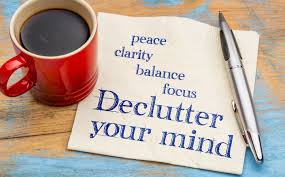
Physical clutter can create mental clutter. Tidy up one small area. Then, look at your schedule.
Are there commitments you can let go of? Can you say “no” to some things? Focus on what truly nourishes you.
3. Practice Single-Tasking
Multitasking is often inefficient. Try doing one thing at a time. When you eat, just eat.
When you talk to someone, just talk. Give that one task your full attention. You’ll find you do it better and feel more satisfied.
4. Connect with Nature
Spend time outdoors. Go for a walk in a park. Sit by a tree.
Notice the details around you. Nature has a calming effect. It reminds us of a different pace of life.
5. Savor Your Meals
Don’t rush through your food. Sit down at a table. Enjoy the taste and texture.
This simple act can be very grounding. It’s a moment of mindful nourishment.
6. Limit Digital Distractions
Set boundaries for technology. Designate tech-free times or zones. Turn off unnecessary notifications.
This frees up mental space. It allows you to be more present.
7. Embrace Imperfection
Slow living is not about perfection. It’s about progress. It’s about doing your best.
Don’t get discouraged if you slip up. Just gently redirect yourself. Life is messy.
That’s okay.
These small changes add up. They create a foundation for a more peaceful existence. They help you live more intentionally.
Real-World Scenarios: Where Slow Living Shines
Let’s look at how slow living can play out in different parts of life. It’s not just about a retreat or vacation. It’s about weaving these principles into daily routines.
In the Home
A slow-living home might not be minimalist. It’s often cozy and intentional. Items are chosen with care.
They have meaning. There’s a focus on comfort and rest. Meals are cooked with intention, perhaps with fresh ingredients.
Family time is prioritized. Books are read. Board games are played.
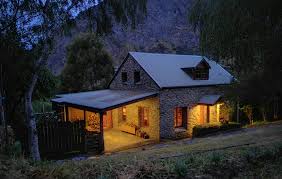
The home becomes a sanctuary, not just a place to sleep.
At Work
This can be challenging. But it’s not impossible. It means setting boundaries.
It means learning to say “no” to extra tasks if you’re overloaded. It might involve deep work sessions. These are focused periods without distractions.
It could also mean taking proper breaks. It means leaving work at work. The goal is sustainability.
It’s about doing good work without burning out.
In Our Relationships
This is where slow living truly blossoms. It means giving people your undivided attention. It means active listening.
It means engaging in meaningful conversations. It means being present during family dinners or dates. It’s about quality time, not just quantity.
It’s about showing up fully for the people you care about.
In Our Hobbies
Hobbies can become rushed and goal-oriented. Slow living encourages enjoying the process. It’s about the joy of creating or doing, not just the end result.
If you knit, enjoy the feel of the yarn. If you paint, revel in the colors. If you garden, appreciate the soil.
It’s about the journey, not just the destination.
Quick Scan: Slow Living Habits
- Morning Ritual: Start with quiet reflection, not screens.
- Mealtime: Eat mindfully, savoring each bite.
- Commuting: Use the time for podcasts or quiet thought, not frantic calls.
- Conversations: Listen fully, put away distractions.
- Chores: Do them with intention, not just to finish.
- Hobbies: Enjoy the process, not just the outcome.
What This Means for You: When to Lean In and When to Watch Out
Slow living is about balance. It’s not about rejecting modern life entirely. It’s about making it work for you.
So, when is it a good time to embrace slower pace? And when should you be cautious?
When It’s Normal and Beneficial
- Feeling Overwhelmed: If you feel constantly stressed or burnt out, slowing down is essential.
- Losing Joy: If your days feel like a chore, a slower approach can help you rediscover pleasure.
- Strained Relationships: When your connections feel shallow due to lack of time, slowing down helps deepen them.
- Creative Block: Sometimes, stepping back and being present allows new ideas to emerge.
- Health Concerns: Chronic stress impacts health. Slowing down is a form of self-care.
When to Be Cautious or Seek Balance
- Major Responsibilities: If you have critical deadlines or caregiving duties, you can’t always slow down completely. Find pockets of slowness.
- Financial Needs: While slow living can save money, basic needs must be met. Adjust where you can.
- Social Commitments: Sometimes, we need to participate in fast-paced events. It’s about finding a balance.
- Avoidance Behavior: If slowing down means avoiding important tasks or problems, that’s not healthy.
The key is awareness. Pay attention to how you feel. Listen to your body and mind.
Adjust your pace accordingly. It’s a flexible philosophy, not a rigid rulebook.
Simple Tips for a Slower Life
Here are some actionable tips. They can help you integrate slow living principles into your daily routine. These are not meant to be perfect.
They are gentle suggestions.
- One Hour of “Do Nothing”: Designate one hour each week. Do whatever you want. Read a book, nap, stare out the window. No guilt allowed.
- Tech-Free Evenings: Aim for at least one hour before bed without screens. Read a physical book or talk with family.
- Mindful Walk: Take a short walk each day. Focus on your senses. What do you see, hear, smell?
- “Letter Writing” Day: Once a month, write a letter to a friend or family member. It’s a slower form of connection.
- Meal Prep Focus: Instead of rushing meals, dedicate a little time to prepare one healthy meal ahead.
- Journaling Prompts: Keep a small notebook. Jot down thoughts, feelings, or things you are grateful for.
- Nature Breaks: Step outside for just five minutes. Breathe deeply. Look at the sky.
These small habits can build momentum. They help create a life with more intention and less haste.
Frequently Asked Questions about Slow Living
Is slow living only for people with a lot of free time?
No, absolutely not. Slow living is about how you live, not necessarily how much free time you have. It’s about making intentional choices with the time you do have.
Even busy people can practice slow living by focusing on presence and quality over quantity in their daily tasks.
Does slow living mean I have to quit my job?
Not at all. Quitting your job might be a choice for some, but it’s not a requirement. You can practice slow living within your current job by setting boundaries, focusing on one task at a time, and taking intentional breaks.
It’s about changing your mindset and habits.
Is slow living the same as minimalism?
They share some common ground, like intentionality and reducing excess. However, they are not the same. Minimalism focuses on owning fewer possessions.
Slow living is broader; it’s about the pace of life, how you spend your time, and your overall approach to living. You can be a minimalist without living slowly, and vice versa.
How can I get my family on board with slow living?
Start small and lead by example. Introduce one new slow practice at a time, like tech-free dinners. Involve them in choices, like choosing a weekend activity.
Explain the benefits of reduced stress and more connection. It’s a family effort that takes patience and consistency.
I feel guilty when I’m not busy. How do I overcome this?
This is a common feeling. It’s often tied to societal conditioning that equates busyness with worth. Acknowledge this guilt without judgment.
Practice mindful moments where you deliberately do nothing. Remind yourself that rest is productive. Your worth isn’t tied to your output.
Start with short periods of non-busyness and gradually increase them.
What if I don’t live near nature?
Nature is all around us, even in cities. Look for parks, trees on the sidewalk, or even a houseplant. If you can’t get outside, bring nature in.
Have plants in your home. Look at nature documentaries. Listen to nature sounds.
The goal is to connect with a rhythm different from human-made hustle.
Conclusion: Your Pace, Your Peace
Slow living is a beautiful invitation. It’s an invitation to live more fully. It’s a chance to find calm in the chaos.
It’s about reclaiming your time and your joy. You don’t need a grand plan. Start with one small step.
Choose presence over hurry. Choose meaning over busyness. Your journey to a slower, richer life begins now.