What is Minimalist Home Decor?
Minimalist home decor is a style that emphasizes simplicity. It means using only the essentials. Every item in the room should have a reason for being there.
This could be for function or for beauty. It’s about creating a calm and uncluttered environment.
This style helps clear your mind. A tidy space can lead to a tidy mind. It reduces visual noise.
This makes a room feel larger and more open. It’s about making space for what truly matters.
Think of it as a breathing room for your home. Less stuff means more peace. It’s a way to live with less but appreciate more.
This approach is gaining popularity for good reason.
My Own Minimalist Journey
I remember standing in my living room one Saturday. Boxes overflowed with things I hadn’t used in years. Knick-knacks lined every shelf.
It felt like a storage unit, not a home. I felt a wave of exhaustion just looking at it all. I knew something had to change.
So, I started small. I picked one corner and decided to make it minimalist. I removed half the items.
I focused on a comfortable chair, a good lamp, and a small side table. The change was immediate. That little corner felt so much more peaceful.
It was a tiny victory, but it showed me the power of less.
That feeling of calm was addictive. I continued the process room by room. It wasn’t always easy.
Sometimes I’d find an old photo album and get lost in memories. But each time I finished a space, the feeling of relief and serenity was worth it. It taught me to be more mindful about what I bring into my home.
The Core Principles of Minimalism
Focus on Function: Every item should serve a purpose. Ask yourself if you really need it. Can it do more than one job?
This helps cut down on clutter.
Quality Over Quantity: Instead of many cheap things, choose fewer, high-quality items. They last longer and look better. They often have a timeless appeal.
Embrace Negative Space: Empty areas are important. They give your eyes a rest. They make the items you do have stand out more.
This is key to a serene look.
Intentionality: Each piece should be chosen with care. It should align with your style and needs. Nothing is there by accident.
Key Elements of a Minimalist Home
What makes a home feel minimalist? It’s a blend of several factors. These work together to create that clean, calm look and feel.
Color Palette: Neutral colors are very common. Think whites, grays, beiges, and soft browns. Black can be used as an accent.
These colors create a sense of calm. They also make a space feel larger and brighter. This isn’t a strict rule, though.
You can add subtle color. It just needs to be used thoughtfully.
Furniture: Furniture should be simple in design. Clean lines are important. Avoid overly ornate or bulky pieces.
Multifunctional furniture is a bonus. For example, a storage ottoman or a sofa bed. The goal is comfort and practicality.
Furniture should complement the space, not overwhelm it.
Lighting: Good lighting is crucial. Natural light is best. Keep windows clear of heavy drapes.
Use simple blinds or sheer curtains. For artificial light, opt for clean, modern fixtures. Think floor lamps and table lamps with simple shades.
Layered lighting creates warmth and depth.
Decor and Accessories: This is where restraint is key. Choose a few meaningful pieces. A piece of art, a well-placed plant, or a decorative vase.
Less is more. Avoid cluttering surfaces with too many small items. Each item should feel deliberate and enhance the space.
Organization: Hidden storage is a minimalist’s best friend. Use cabinets, drawers, and bins to keep things tidy. Everything should have its place.
This maintains the clean aesthetic. When everything has a home, it’s easier to keep tidy.
Minimalist Color Palette Examples
- Classic White: Bright and airy. Creates a feeling of spaciousness.
- Soft Grays: Sophisticated and calm. Works well in any room.
- Earthy Neutrals: Beiges, creams, and muted browns. Bring warmth.
- Monochromatic: Using different shades of one color. Very cohesive.
- Accent Colors: A pop of deep blue or green. Use sparingly.
Decluttering: The First Step
Before you can decorate, you must declutter. This is the foundation of minimalist living. It can feel daunting.
But breaking it down makes it manageable. Start with a small area. A drawer, a shelf, or a single room.
Take everything out. Now, look at each item. Ask yourself: Do I use this?
Do I love this? Does it serve a real purpose? If the answer to all is no, it’s time to let it go.
Be honest with yourself. Don’t keep things out of guilt or obligation.
You can donate, sell, or recycle items. If something is broken, fix it or toss it. If you haven’t used something in a year, you probably won’t.
This process is about freeing up space, both physical and mental. It’s a powerful act of self-care.
The KonMari method is popular for a reason. It encourages you to thank items for their service before letting them go. This can help ease the emotional attachment.
It’s about being grateful for what you’ve had.
Consider a “one in, one out” rule. When you buy something new, let go of something similar. This helps prevent clutter from building up again.
It keeps your space feeling intentional and fresh.
Quick Decluttering Strategy
Categorize: Group similar items together (e.g., all books, all clothes).
The Decision Pile: Keep, Donate, Sell, Trash/Recycle.
Be Ruthless (but kind): Stick to your decisions. If you hesitate, consider if you truly need it.
Immediate Action: Bag up donations and trash right away. Get them out of the house.
Designing Your Minimalist Living Room
Your living room is often the heart of your home. Making it minimalist can transform your relaxation time. Focus on comfort and a clean aesthetic.
Start with a neutral base. Walls in white, light gray, or beige. This makes the room feel spacious.
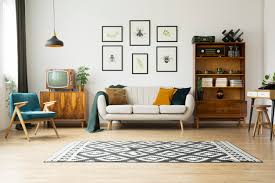
Choose a sofa with clean lines. A neutral color like gray, beige, or cream is ideal. Add a few throw pillows for comfort.
Keep patterns simple or solid.
A simple coffee table is good. Perhaps one made of wood or metal. Consider one with hidden storage.
A cozy rug can add warmth. Choose a natural fiber like wool or jute. Keep the rug color neutral or a subtle pattern.
Limit wall art. One large piece can make a statement. Or a small gallery of intentionally chosen prints.
Avoid busy patterns or too many frames. A floor lamp with a simple design adds light and style. A few well-placed plants can bring life and color.
Organize electronics and cords. Use cord covers or a media console with doors. The goal is to hide as much as possible.
Keep surfaces clear. A few books or a decorative tray are enough.
Living Room Contrast: Myth vs. Reality
Myth: Minimalist means cold and sterile.
Reality: Minimalist homes can be very warm and inviting. Texture, natural materials, and personal touches create coziness.
Myth: You can’t have any decorative items.
Reality: You can have decor. It’s about choosing items that are meaningful and intentional, not just filling space.
Myth: It’s expensive to achieve a minimalist look.
Reality: It’s often cheaper. You buy fewer items. You focus on quality, which lasts longer.
Decluttering itself costs nothing.
Creating a Serene Minimalist Bedroom
The bedroom should be a sanctuary. A place for rest and rejuvenation. Minimalism excels here.
Choose a comfortable bed. A simple frame is best. Upholstered or wood frames with clean lines work well.
Keep bedding simple. Solid colors or very subtle patterns. High-quality sheets and a cozy duvet make a difference.
Walls can be a soft, calming color. Think muted blues, greens, or soft grays. White is also a classic choice for bedrooms.
Limit furniture. A bedside table or two. A dresser if needed.
Again, simple designs with clean lines.
Keep surfaces clear. Your bedside table should hold essentials like a lamp and maybe a book. Avoid piles of papers or clutter.
Good lighting is important. Soft, warm lighting creates a relaxing atmosphere. Blackout curtains can improve sleep quality.
Choose simple, solid colors.
Storage is key. Use under-bed storage or a closet organizer. Aim to keep clothes neatly put away.
When everything is off the floor and surfaces, the room feels more peaceful. Add a small plant or a piece of art. These personal touches make it feel like home.
Bedroom Quick Scan Checklist
- Bed Frame: Simple, clean lines.
- Bedding: Solid, calming colors. Soft textures.
- Wall Color: Light, neutral, or muted.
- Nightstand: Holds only essentials. Clear surface.
- Lighting: Soft, warm, and adjustable.
- Storage: Neat, organized, and out of sight.
- Decor: Minimal, meaningful items only.
Minimalist Kitchen and Dining Areas
The kitchen and dining area are often busy places. Making them minimalist can bring a sense of order and calm to daily routines.
In the kitchen, declutter countertops. Store appliances that aren’t used daily. Keep only essentials visible.
Think a coffee maker, toaster, or blender. Use drawer organizers for utensils and gadgets. This makes finding things easy.
Cabinets should be organized. Use shelves and dividers to maximize space. Consider matching containers for dry goods.
This creates a uniform look. Choose simple cabinet hardware. Clean lines and subtle finishes.
For the dining area, a simple table and chairs are ideal. Avoid cluttered tabletops. Perhaps a simple centerpiece like a vase or a fruit bowl.
When not in use, the table should be clear. This makes the space feel more open.
Use a neutral color palette. White, gray, or wood tones create a clean look. Add a simple pendant light over the dining table.
This adds a focal point without being overwhelming. Think about the flow of the room. Easy access to essentials is important.
Kitchen Organization Tips
Clear Countertops: Only keep daily-use items out. Store the rest.
Drawer Dividers: Keep utensils, knives, and small gadgets tidy.
Matching Containers: For pantry staples like flour, sugar, pasta. Looks neat.
Vertical Storage: Use shelves and risers to maximize cabinet space.
One In, One Out: When you get a new gadget, let go of an old one.
Adding Texture and Warmth to Minimalism
A common misconception is that minimalist homes are cold or uninviting. This isn’t true! Texture is key to adding warmth and personality.
Think about different materials. Natural wood adds warmth and a connection to nature. Think of a wooden side table or a cutting board.
Soft textiles like wool, linen, and cotton invite touch. A chunky knit throw on the sofa or linen curtains. These add depth and comfort.
Metal accents can add a touch of polish. Brushed nickel, matte black, or brass. Use these sparingly.
They can create a sophisticated feel. Ceramic or stone elements also work well. A stone countertop or ceramic vase.
Layering different textures is a great way to make a neutral space feel rich. A smooth leather chair with a soft, woven throw. A wooden table with linen placemats.
This contrast creates visual interest without adding clutter. It makes the space feel lived-in and inviting.
Don’t be afraid of subtle patterns. A subtle geometric pattern on a rug or throw pillow. A natural texture like a linen weave.
These add subtle detail. They keep the space from feeling flat. It’s about engaging the senses.
Material Spotlight for Warmth
- Wood: Adds natural warmth and organic feel.
- Linen: Soft, breathable, and slightly textured.
- Wool: Cozy, inviting, and natural. Great for throws and rugs.
- Cotton: Versatile and comfortable for bedding and upholstery.
- Stone/Ceramics: Grounding elements, add natural beauty.
- Leather: Adds a rich, tactile dimension.
Plants: Bringing Life to Minimalist Spaces
Plants are a fantastic addition to any minimalist home. They add life, color, and improve air quality. They connect the indoors with nature.
Choose plants that suit your light conditions. A snake plant or ZZ plant are very low maintenance. Pothos plants are also easy to care for and trail nicely.
For more light, consider a fiddle leaf fig or a monstera.
Use simple, understated pots. Terracotta, ceramic, or concrete planters in neutral colors. Avoid overly decorative pots that draw too much attention.
The plant itself is the star.
A single, larger plant can make a statement. Or a small grouping of plants on a shelf. They bring a natural element to neutral spaces.
They add a touch of organic shape and vibrant green. This contrast is beautiful in minimalist design.
Don’t overdo it. A few well-chosen plants are more impactful than a jungle. They should enhance the calm atmosphere, not create a busy one.
They add a living dimension to the intentional design.
Easy-Care Minimalist Plants
Snake Plant (Sansevieria): Tolerates low light and infrequent watering. Air purifier.
ZZ Plant (Zamioculcas zamiifolia): Extremely drought-tolerant. Thrives in low light.
Pothos (Epipremnum aureum): Easy to grow, comes in many varieties. Can be grown in hanging baskets or on shelves.
Spider Plant (Chlorophytum comosum): Adaptable, produces “spiderettes” that can be propagated.
Peace Lily (Spathiphyllum): Indicates when it needs water by drooping slightly. Elegant white flowers.
Smart Storage Solutions
Storage is crucial for maintaining a minimalist aesthetic. Clutter hidden away is the goal.
Built-in Storage: If possible, built-in shelves or cabinets blend seamlessly. They create a clean look.
Multifunctional Furniture: Ottomans with storage, beds with drawers, coffee tables with hidden compartments. These save space and reduce the need for separate storage units.
Nooks and Crannies: Utilize awkward spaces with custom shelves or small cabinets. Every bit of space can be used wisely.
Matching Bins and Baskets: Use uniform containers for shelves and closets. This creates a tidy, organized appearance. Woven baskets or simple fabric bins work well.
Vertical Space: Tall bookshelves or wall-mounted shelves draw the eye upward. They maximize storage without taking up floor space.
Hidden Storage: Think about what can be stored out of sight. In closets, behind cabinet doors, or under furniture. The less you see, the calmer the room feels.
Storage Style Guide
- Cabinets & Drawers: Ideal for hiding everyday items.
- Open Shelving: Best for curated displays, books, or plants.
- Baskets & Bins: Great for smaller items, blankets, or toys.
- Under-Bed Storage: Perfect for seasonal clothing or extra linens.
- Wall-Mounted Units: Maximizes vertical space, keeps floor clear.
What Does This Mean for You?
Embracing minimalist home decor is a personal journey. It’s about creating a space that serves you. A space that feels calm and supportive.
When it’s normal: It’s normal to feel a sense of peace. It’s normal for rooms to feel more open. It’s normal to spend less time cleaning and tidying.
This is the desired outcome.
When to worry (slightly): If you feel deprived or that your home lacks personality, you might have gone too far. Minimalism is about intentionality, not austerity. If you’re stressed about keeping things “perfect,” ease up.
Simple checks: Walk through your home. Do you feel rushed or overwhelmed by your surroundings? Or do you feel calm and relaxed?
Does each item in a room feel like it belongs there? These questions can guide you.
The goal is to live in a space that reflects your priorities. A space that supports your well-being. It’s not about a specific look, but a feeling.
Simple Tips for a Minimalist Aesthetic
Here are some easy steps you can take to bring minimalist principles into your home.
Declutter one small area daily. Even 15 minutes can make a difference.
Choose neutral colors for large items. Like sofas and rugs. They are easier to live with long-term.
Display only a few items on surfaces. Rotate them if you like. This keeps things fresh.
Invest in good quality basics. They look better and last longer.
Use hidden storage. Bins, baskets, and furniture with storage are your friends.
Let in natural light. Keep windows clear. This makes spaces feel more open.
Add a plant or two. They bring life and color.
Focus on what you truly use and love. This is the core of intentional living.
Minimalist Quick Fixes
Problem: Too many small items on tables.
Fix: Group them onto a single tray. Or put most away.
Problem: Cluttered shelves.
Fix: Remove half the items. Space them out. Add a plant.
Problem: Too many decorative pillows.
Fix: Keep only two or three comfortable ones.
Problem: Visible cords and electronics.
Fix: Use cord organizers or a media cabinet.
Frequently Asked Questions about Minimalist Home Decor
Is minimalist decor only for modern homes?
No, absolutely not! Minimalism can be adapted to many styles. You can have a minimalist farmhouse look, a minimalist bohemian vibe, or a minimalist traditional feel.
The core principles of simplicity and intention apply universally. It’s about decluttering and focusing on what matters, regardless of your existing style.
How do I start decluttering without feeling overwhelmed?
Start small! Pick one drawer, one shelf, or one small corner. Set a timer for 15-20 minutes.
Focus only on that small area. Don’t try to do the whole house at once. Celebrate small wins.
The goal is progress, not perfection. Gradually working through your home will feel much more manageable.
What are the best colors for a minimalist home?
Neutral colors are very popular. Think whites, grays, beige, and soft earthy tones. These colors create a sense of calm and spaciousness.
Black can be used as an accent. However, you can also incorporate subtle pops of color. The key is to use them intentionally and not in overwhelming amounts.
It’s about balance.
How much ‘stuff’ is too much for a minimalist home?
There’s no exact number. It’s more about intentionality. Does each item serve a purpose or bring you joy?
Do you have space to move freely? A minimalist home should feel serene, not sparse or empty. If you feel overwhelmed by your belongings, it’s likely too much.
The focus is on quality and meaning, not just quantity.
Can I have personal photos and decorations in a minimalist home?
Yes! Minimalism doesn’t mean living without personal items. It means choosing them carefully.
Instead of many small photos scattered around, perhaps frame one or two favorite pictures beautifully. Display meaningful art or objects that tell a story. The idea is that these items are intentional and cherished, not just filler.
Is it hard to keep a minimalist home clean?
Actually, it’s often much easier! With fewer items, there are fewer things to dust, organize, or move around. Surfaces are clearer, making cleaning quicker.
When everything has a designated place, tidying up becomes a fast process. The initial effort of decluttering pays off in long-term ease of maintenance.
Conclusion
Minimalist home decor is more than just a style. It’s a philosophy for living. It’s about creating a calm, intentional space.
A space that supports your well-being. By decluttering and focusing on quality, you can transform your home. Enjoy the peace and simplicity it brings.