
Slow living means intentionally choosing to live at a less hurried pace. It’s about finding joy in simple things. It involves being present in the moment.
This practice helps reduce stress. It also helps you feel more connected to yourself and others.
What Is Slow Living?
Slow living is a lifestyle choice. It’s about being mindful. It’s about paying attention to what matters.
This isn’t about being lazy. It’s not about doing nothing. Instead, it’s about doing things with purpose.
It’s about appreciating the journey. It’s about savoring each moment. Think of it like a slow-cooked meal.
The flavors get richer over time. The experience is more satisfying. Fast living is like microwaving.
It’s quick but often less deep.
In a world that often glorifies being busy, slow living stands out. It asks you to pause. It encourages you to reflect.
It’s about finding balance. It’s about creating space for what truly nourishes you. This can be anything from quiet mornings to meaningful conversations.
It can be enjoying nature or pursuing a hobby.
The core idea is intentionality. You choose how you spend your time and energy. You prioritize well-being over constant productivity.
You focus on quality over quantity. This approach helps you feel more in control. It helps you find more happiness.
It also helps you build stronger connections.
Many people misunderstand slow living. They think it means giving up modern conveniences. Or that it requires moving to the countryside.
That’s not true. You can practice slow living anywhere. You can do it in a busy city.
You can do it with a demanding job. It’s about your mindset. It’s about your daily choices.
Let’s break down what slow living really involves. It’s not a strict set of rules. It’s more of a philosophy.
It’s a way of being. It centers on awareness. It centers on appreciation.
It centers on balance. It helps you step off the hamster wheel. It helps you find your own rhythm.
Think about the opposite of slow living. It’s a frantic pace. It’s constant distraction.
It’s feeling overwhelmed. It’s feeling disconnected. Slow living aims to reverse that.
It seeks to bring you back to yourself. It helps you reconnect with what’s real. It helps you find peace within the chaos.
My Own Slow Living Journey
I remember a time when my life felt like a runaway train. I was working long hours. My weekends were packed with errands and social events.
I was always rushing from one thing to the next. Sleep felt like a luxury I couldn’t afford. My mind was constantly racing.
I felt a gnawing sense of dissatisfaction. I knew something had to change. But I didn’t know where to start.
One evening, I was staring at my overflowing inbox. My to-do list seemed endless. A wave of exhaustion hit me.
I felt a pang of regret. I realized I hadn’t truly enjoyed my day. I hadn’t even noticed the sunset.
That night, I decided to try something different. I told myself I would dedicate just 15 minutes to doing nothing. No phone, no TV, no tasks.
Just me and my thoughts.
It was harder than I expected. My mind kept wanting to plan or worry. But I stuck with it.
I focused on my breathing. I listened to the quiet sounds in my apartment. Slowly, a sense of calm began to settle.
It was a small shift, but it felt huge. That small act of deliberate stillness was the start of my slow living journey. It showed me that even small moments of peace could make a big difference.
Over time, I started making more intentional choices. I began to say no to things that didn’t serve me. I started planning downtime.
I rediscovered simple pleasures, like enjoying my morning coffee without checking emails. I learned that slowing down wasn’t about being less productive. It was about being more present and effective.
It was about living a life that felt more like mine.
This transition wasn’t instant. There were days I slipped back into old habits. But each time, I learned something.
I learned to be kinder to myself. I learned that perfection wasn’t the goal. The goal was progress.
The goal was finding a rhythm that felt good. It was about embracing the messy, beautiful process of living more intentionally. It taught me that the biggest impact often comes from the smallest, most consistent actions.
Key Principles of Slow Living
- Mindfulness: Being fully present in the moment.
- Intentionality: Making conscious choices about how you live.
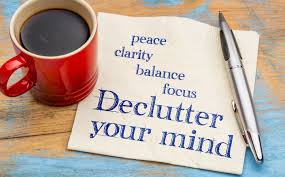
- Simplicity: Decluttering your life, both physically and mentally.
- Connection: Nurturing relationships and community.
- Well-being: Prioritizing rest, health, and self-care.
- Appreciation: Finding joy in the everyday and the small things.
Why Slow Living Matters Now More Than Ever
Our modern world is incredibly fast-paced. Technology connects us instantly. It also bombards us with information.
This constant stimulation can be overwhelming. It can lead to stress and burnout. It can make us feel disconnected from ourselves and others.
It can make us feel like we’re always chasing something.
Research shows that prolonged stress is harmful. It affects our physical and mental health. It can lead to issues like anxiety, depression, and heart disease.
In contrast, slower living practices can help. They can reduce cortisol levels. They can improve sleep.
They can boost our mood.
The emphasis on constant productivity can be draining. We often feel pressure to do more. We fear falling behind.
This mindset can lead to a poor work-life balance. It can impact our relationships. It can leave us feeling unfulfilled.
Slow living offers an alternative. It suggests that sometimes, less is more.
It’s about reclaiming your time. It’s about reclaiming your energy. It’s about reclaiming your peace.
This isn’t about rejecting progress. It’s about directing progress in a way that serves us. It’s about using technology mindfully.
It’s about choosing what truly adds value to our lives.
In the U.S., many people experience high levels of stress. We often equate busyness with success. This can lead to a culture of overwork.
It can lead to neglecting personal needs. Slow living challenges this narrative. It champions a life of quality and intention.
It reminds us that true success includes well-being.
Consider the concept of ‘presenteeism’ at work. It’s showing up but not being fully engaged due to stress. This is a sign that the fast pace is taking its toll.
Slow living aims to prevent this. It helps you be more present. It helps you be more focused.
It helps you be more effective when you are working.
The environmental crisis also highlights the need for slow living. A consumerist, fast-paced culture often leads to waste. Slow living encourages mindful consumption.
It promotes appreciating what we have. It can lead to more sustainable practices. It’s about living in harmony with our world.
Ultimately, slow living helps us reconnect with our humanity. It allows us to appreciate simple joys. It helps us build stronger relationships.
It gives us space to breathe. It’s a vital antidote to the pressures of modern life. It’s a path toward a more balanced and joyful existence.
It’s a way to live a life that feels rich and meaningful, not just busy.
Contrast: Fast vs. Slow Living
Fast Living:
- Constant rush and hurry.
- Focus on quantity and speed.
- Feeling overwhelmed and stressed.
- Neglect of self-care.
- Distracted and disconnected.
Slow Living:
- Intentional pace and calm.
- Focus on quality and depth.
- Feeling present and peaceful.
- Prioritizing well-being.
- Mindful and connected.
Getting Started with Slow Living: Simple Steps for Beginners
The idea of slow living might seem daunting. But you don’t need a radical life overhaul. You can start small.
Even a few small changes can make a big impact. The key is to be consistent. It’s about building new habits gradually.
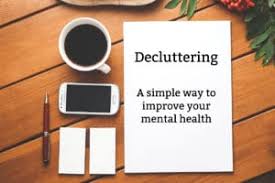
First, declutter your space. A cluttered home can lead to a cluttered mind. Start with one small area.
Maybe your desk or a single drawer. Get rid of things you don’t use or need. Organize what’s left.
A cleaner space can feel more peaceful.
Next, embrace mindful mornings. Instead of grabbing your phone immediately, try this. Wake up a little earlier.
Sit quietly with a cup of tea or coffee. Listen to the sounds around you. Take a few deep breaths.
This sets a calm tone for the day.
Then, practice single-tasking. Our brains aren’t wired for constant multitasking. Try to focus on one task at a time.
When you eat, just eat. When you talk to someone, just listen. This improves focus and reduces errors.
It also makes the activity more enjoyable.
Consider scheduling downtime. Put breaks and relaxation into your calendar. Treat them as important appointments.
This could be reading a book, taking a walk, or simply doing nothing. It reinforces that rest is valuable.
Another step is to connect with nature. Spend time outdoors. Even a short walk in a park can be refreshing.
Notice the trees, the sky, the sounds. Nature has a calming effect. It helps ground you.
Try digital detox periods. Set specific times to unplug from screens. Maybe an hour before bed.
Or a few hours on a weekend. This helps you be more present. It reduces digital overload.
Also, prioritize sleep. Aim for consistent sleep. Create a relaxing bedtime routine.
Good sleep is fundamental to well-being. It impacts everything else you do. It helps you feel more resilient.
Finally, practice gratitude. Take a moment each day to think about what you’re thankful for. It could be big or small things.
This shifts your focus to the positive. It helps you appreciate what you have.
These steps are not rigid. They are suggestions. Find what resonates with you.
Experiment. The goal is to find a pace that feels right. It’s about making conscious choices.
It’s about creating a life that feels calmer and more fulfilling. Start with one thing today. See how it feels.
Your First Slow Living Steps
1. Declutter: Clear one small space.
2. Mindful Morning: 15 mins of quiet before screens.
3. Single-Task: Focus on one thing at a time.
4. Schedule Rest: Block out relaxation time.
5. Nature Break: Short walk outdoors.
6. Screen-Free Time: Set a digital curfew.
7. Prioritize Sleep: Aim for 7-9 hours.
8. Daily Gratitude: Note three things you’re thankful for.
Mindful Moments in Everyday Life
Slow living isn’t just about grand gestures. It’s woven into the fabric of your day. It’s about finding pockets of peace.
These moments can transform your experience. They make the ordinary feel special.
Think about your commute. Instead of stressing about traffic, try this. Listen to calming music or a podcast.
Or just observe the world around you. Notice the buildings, the people, the trees. If you take public transport, look out the window.
Let your mind wander gently.
Meal times are perfect for this. Sit down to eat. Put away distractions.
Notice the colors and textures of your food. Savor each bite. Think about where it came from.
Enjoy the taste and smell. This mindful eating can improve digestion too.
Even simple chores can become mindful. When you wash dishes, feel the warm water. Notice the suds.
Pay attention to the movements. It’s not about rushing through it. It’s about being present for the task.
This can make even mundane tasks more engaging.
Your shower can be a sanctuary. Feel the water on your skin. Breathe in the steam.
Let go of worries. This is your time to reset. It’s a few minutes just for you.
When you talk with someone, really listen. Make eye contact. Hear their words.
Understand their feelings. Don’t plan your response while they speak. This deepens connection.
It makes conversations more meaningful.
Walking is another great opportunity. Feel your feet on the ground. Notice your body moving.
Observe your surroundings. If you’re walking in nature, take it all in. If you’re in a city, notice the architecture or street art.
These moments add up. They create a sense of calm. They help you feel more grounded.
They remind you that life is happening now. Not in the future. Not in the past.
It’s happening in these small, deliberate instances.
Quick Mindfulness Prompts
- What do you see right now? (Focus on details)
- What do you hear? (Tune into ambient sounds)
- What do you feel? (Physical sensations, temperature)
- What does this taste/smell like? (Engage senses)
- What is your breath doing? (Notice inhale/exhale)
Slow Living and Your Well-being
The impact of slow living on well-being is profound. It’s not just a trend. It’s a path to better health and happiness.
By slowing down, you reduce stress. This is crucial for your physical health. Chronic stress weakens your immune system.
It can lead to heart problems. It can cause digestive issues.
When you slow down, you create space for self-care. This can mean getting enough sleep. It can mean eating nutritious food.
It can mean exercising. It also means taking time for activities you enjoy. Hobbies, reading, or spending time with loved ones all contribute to well-being.
Mental health also benefits greatly. Slow living helps combat feelings of anxiety and overwhelm. It allows your mind to rest.
This can improve focus and concentration. It can boost creativity. It can lead to a more positive outlook on life.
Relationships often deepen with slow living. When you’re not rushing, you have more time for people. You can listen better.
You can be more present in conversations. This leads to stronger bonds with family and friends.
Personal growth is another benefit. When you slow down, you have time for reflection. You can better understand your values.
You can identify your goals. You can make choices that align with what truly matters to you.
The pursuit of perfection is often a source of stress. Slow living encourages embracing imperfection. It’s about doing your best.
It’s about accepting that things don’t always go as planned. This reduces pressure and increases self-compassion.
Financial well-being can also improve. Slow living often involves more conscious consumption. You buy less.
You appreciate what you have. This can lead to saving money. It can reduce debt.
It shifts focus from accumulating things to enjoying experiences.
Overall, slow living is about living a more balanced life. It’s about finding joy in the present moment. It’s about nurturing yourself and your relationships.
It’s a powerful way to improve your quality of life. It helps you feel more in control and more content. It’s a holistic approach to a happier, healthier existence.
Benefits of Slow Living for Well-being
Reduced Stress: Lower cortisol levels, calmer nervous system.
Improved Health: Better sleep, stronger immunity, better digestion.
Enhanced Mental Health: Less anxiety, improved focus, greater happiness.
Deeper Relationships: More quality time and better listening.
Personal Growth: Self-reflection, clearer values, purposeful living.
Financial Stability: Mindful spending, less debt, more savings.
Slow Living in Practice: Real-World Scenarios
Let’s look at how slow living shows up in everyday life. It’s not always about grand escapes. It’s about small, consistent choices.
In the kitchen, a slow living approach means more than just cooking. It means planning meals thoughtfully. It means sourcing ingredients locally when possible.
It means enjoying the process of preparation. Maybe even cooking with children or partners. The meal becomes an experience, not just fuel.
For parents, slow living can mean different things. It might mean putting down the phone during playtime. It means being fully present with your children.
It’s about savoring those moments. It’s about less rushing from one activity to another. It’s about quality over quantity of time.
In the workplace, it can look like setting boundaries. It’s about taking proper breaks. It’s about focusing on deep work rather than constant interruptions.
It’s about saying no to extra tasks if you’re already overloaded. It means valuing your energy and time.
For students, slow living could mean dedicating focused study time. It means avoiding cramming. It means getting enough sleep to learn effectively.
It’s about understanding material deeply, not just memorizing it quickly.
Even in a busy city, slow living is possible. Instead of rushing through a park, stop for a moment. Sit on a bench.
Observe the people. Listen to the city sounds without judgment. It’s about finding peace amidst the energy.
Travel can also be slow. Instead of trying to see five cities in a week, focus on one. Explore it deeply.
Meet local people. Savor the culture. This immersive experience is often more rewarding than a whirlwind tour.
Consider your morning routine. A fast-paced routine involves rushing. Getting dressed quickly, grabbing breakfast on the go.
A slow-paced routine might include stretching, journaling, or enjoying breakfast without distractions. It’s about starting the day with intention.
Even digital interactions can be slower. Instead of firing off quick texts, compose a thoughtful email. Instead of scrolling endlessly, choose one article to read deeply.
It’s about quality engagement with technology.
These examples show that slow living is adaptable. It fits into different lifestyles. It’s about applying the principles of mindfulness and intentionality to whatever you are doing.
It’s about making conscious choices that support your well-being.
When Slow Living Might Not Be Enough
While slow living offers many benefits, it’s important to be realistic. It’s a lifestyle choice, not a cure-all. There are times when more specific help is needed.
If you are experiencing severe anxiety or depression, slow living practices can help. They can be a valuable part of your support system. However, they might not be enough on their own.
You may need to seek professional help from a therapist or counselor. Organizations like the National Alliance on Mental Illness (NAMI) offer resources.
For serious physical health issues, consult a doctor. Slow living can support a healthy lifestyle. But it cannot replace medical treatment.
Always follow the advice of your healthcare providers. The U.S. Department of Health and Human Services provides general health guidelines.
In situations of abuse or severe danger, prioritize your safety. Slow living is about peace and well-being. In crisis situations, immediate action and support are paramount.
Reach out to emergency services or domestic violence hotlines.
If you have significant financial debt or extreme financial hardship, slow living can help you manage spending. However, it won’t magically solve deep-seated financial problems. You might need to seek advice from a financial planner or credit counseling service.
Consumer Credit Counseling Services (CCCS) is one such resource.
Slow living is about managing your pace and mindset. It’s about reducing everyday stress. It’s about finding joy.
But it does not replace the need for specialized care when facing significant challenges. It’s a tool to enhance life, not a substitute for necessary interventions or professional help.
Always listen to your body and your needs. If you feel overwhelmed or unsupported, reach out. Don’t hesitate to seek help from friends, family, or professionals.
Slow living is about empowering yourself. Sometimes that means knowing when to ask for more support.
When to Seek Additional Support
- Mental Health Crises: Persistent sadness, severe anxiety, suicidal thoughts. (Consult a therapist or psychiatrist.)
- Serious Health Conditions: Chronic pain, serious illness, chronic stress symptoms. (See a medical doctor.)
- Safety Concerns: Domestic abuse, unsafe living situations. (Contact emergency services or specialized hotlines.)
- Severe Financial Distress: Unmanageable debt, risk of homelessness. (Seek financial counseling.)
Tips for Maintaining Slow Living Practices
Starting slow living is one thing. Keeping it up is another. Life throws curveballs.
Old habits can creep back in. Here are some tips to help you stay on track:
Be Flexible, Not Rigid: Life is unpredictable. Some days will be busier than others. Don’t beat yourself up if you can’t be perfectly slow.
Adjust as needed. The goal is progress, not perfection.
Regularly Re-evaluate: Check in with yourself often. How are you feeling? Are your current practices serving you?
What needs adjusting? This keeps your slow living journey relevant.
Find Your Tribe: Connect with others who value slow living. Share experiences and tips. Online communities or local groups can offer support and encouragement.
Celebrate Small Wins: Acknowledge your efforts. Did you manage a screen-free evening? Did you enjoy a mindful meal?
Celebrate these successes. They build momentum.
Simplify Further: As you get more comfortable, look for more areas to simplify. Can you reduce commitments? Can you declutter more?
Less clutter means less to manage.
Prioritize Rest: Never underestimate the power of rest. Make sure sleep is a priority. Schedule breaks during the day.
Rest is not a reward; it’s a necessity.
Journal Your Journey: Writing down your thoughts and experiences can be helpful. It allows you to track progress. It helps you process challenges.
It reminds you why you started.
Set Realistic Expectations: Slow living is a journey. There will be ups and downs. It takes time to build new habits.
Be patient with yourself. Enjoy the process of learning and growing.
Keep Learning: Read books, listen to podcasts, or follow blogs about slow living. Continuous learning can provide fresh inspiration and new ideas.
By actively managing your practices, you can integrate slow living into your life long-term. It becomes less of an effort and more of a natural way of being.
Maintaining Your Slow Living Pace
- Be Kind to Yourself: Allow for off days.
- Regular Check-ins: Assess what’s working.
- Connect with Others: Find support in communities.
- Acknowledge Progress: Celebrate small achievements.
- Continuous Simplification: Look for more areas to declutter.
- Rest is Non-Negotiable: Prioritize sleep and breaks.
Frequently Asked Questions about Slow Living
What is the main goal of slow living?
The main goal of slow living is to live more intentionally and mindfully. It’s about reducing stress and finding more joy in everyday moments. It’s about prioritizing well-being over constant busyness.
Do I need to quit my job to practice slow living?
No, you absolutely do not need to quit your job. Slow living is about your mindset and daily choices. You can practice it within your current lifestyle.
It involves making small, intentional changes.
Is slow living the same as being unproductive?
Not at all. Slow living is about being effective and present. It often leads to better focus and higher quality work.
It’s about doing things with purpose, not just doing more things.
Can I practice slow living if I live in a busy city?
Yes, you can! Slow living is about your internal state and daily habits. You can find quiet moments.
You can be mindful during your commute or even on a crowded street. It’s about adapting the principles to your environment.
How do I know if I’m doing slow living correctly?
There’s no single “correct” way. Slow living is personal. If you feel calmer, more present, and more joyful, you are likely on the right track.
It’s about what works for you and your well-being.
What if I feel resistance to slowing down?
It’s very common to feel resistance, especially if you’re used to a fast pace. Start with very small steps. Be patient and kind to yourself.
Explore the reasons for your resistance. Often, gradual exposure helps overcome it.
How does slow living differ from minimalism?
Minimalism focuses on owning less and decluttering physical possessions. Slow living is broader. It encompasses intentionality in all areas of life, including time, energy, relationships, and pace, not just physical things.
Can slow living help with burnout?
Yes, very much so. Burnout is often a result of chronic stress and overwork. Slow living practices like mindfulness, rest, and setting boundaries are key to preventing and recovering from burnout.
Final Thoughts on Embracing a Slower Life
Living a slower life is a journey of discovery. It’s about more than just reducing speed. It’s about living with intention.
It’s about finding deep fulfillment in simple moments. You don’t need to change everything overnight. Start small.
Be consistent.
Embrace mindfulness. Cultivate gratitude. Make space for rest.
These practices can bring profound peace. They can improve your well-being. They help you connect with yourself.
They help you connect with the world around you. Welcome a calmer, richer life.