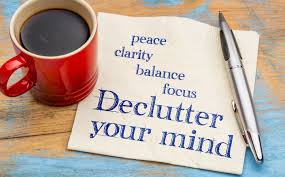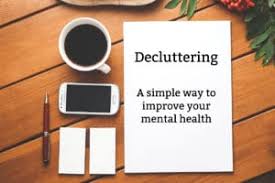
Decluttering your home and life leads to increased happiness and peace. By simplifying your surroundings, you reduce stress, gain clarity, and create space for what truly matters, fostering a sense of calm and contentment.
What is Decluttering and Why Does It Matter?
Decluttering means getting rid of things you don’t need. It’s about making space. This space can be in your home.
It can also be in your mind. When you have less stuff, you feel lighter. You have more time.
You have more energy. This is because you spend less time looking for things. You spend less time cleaning things.
You spend less time organizing things.
Why is this important? Our homes are supposed to be our sanctuaries. They should be places of rest.
They should be places of peace. But if they are full of junk, they don’t feel that way. They can feel chaotic.
They can feel stressful. This stress can affect your mood. It can affect your sleep.
It can affect your relationships.
When you declutter, you create order. You create calm. You can see your floors again.
You can find your favorite mug. Your rooms feel bigger. Your mind feels clearer.
This lets you focus on what truly brings you joy. It helps you live with purpose. It helps you find less stuff and more happiness.
My Own Clutter Crisis
I remember a time when my garage was a disaster. It was a mountain of forgotten items. Boxes were stacked high.
Old furniture sat in corners. Tools I never used were scattered about. It was hard to even walk through it.
One rainy Saturday, I decided I had to do something. I stood at the entrance. I felt a wave of overwhelm.
Where do I even begin?
I started with one small box. Inside were old papers. Many were from college.
I hadn’t looked at them in years. I felt a pang of nostalgia. But then I asked myself, “Do I need this?” The answer was usually no.
I tossed most of it. It felt surprisingly good. This small win gave me momentum.
Slowly, day by day, I worked on the garage. I found old toys. I found clothes I’d outgrown.
I found gadgets that were broken. Each item I removed felt like a weight lifted. The air in the garage felt fresher.
I could finally see the floor. I even found my old bicycle. It was a small victory, but it felt huge.
It showed me that I could reclaim my space. And with that reclaimed space came a sense of calm.
Decluttering Mindset Shifts
Embrace Letting Go: Understand that letting go of items is not losing memories. It’s freeing yourself from burdens.
Focus on Value: Keep items that add value to your life. Ask if they serve a purpose or bring genuine joy.
One In, One Out: For new purchases, try to let go of a similar item. This maintains balance.
Progress, Not Perfection: Don’t aim for perfection overnight. Small, consistent steps lead to big results.
The Psychology of Stuff
Why do we hold onto so much? It’s a question many of us ask. There are many reasons behind it.
Sometimes we attach memories to objects. A gift from a loved one might hold special meaning. We might feel guilty getting rid of something we paid good money for.
This is called the sunk cost fallacy.
We might also think we will use something “someday.” That someday often never comes. Our brains also like to hold onto things. It gives us a sense of security.
Owning things can feel like control. In a world that feels uncertain, our stuff can feel stable. It’s a comfort blanket of sorts.
Media and society also play a role. We are often shown images of having more. We see perfect homes filled with things.
Advertisers tell us we need the latest and greatest. This constant exposure makes us feel like we’re not enough without more. It’s a cycle that’s hard to break.
Understanding these reasons helps us tackle our clutter.
Starting Your Decluttering Journey
The thought of decluttering your whole house can be daunting. It’s like looking at a huge mountain. Where do you even begin to climb?
The best way is to start small. Pick one small area. It could be a single drawer.
It could be a shelf. It could be your nightstand.
Set a timer for 15-20 minutes. Work only in that small space. Take everything out.
Look at each item. Ask yourself these simple questions: Do I use this? Do I love this?
Do I need this? If the answer is no to all three, it’s time to let it go.
Create three piles: Keep, Donate/Sell, and Trash. Be honest with yourself. If you haven’t touched it in a year, you probably won’t.
Get these items out of your house quickly. Don’t let them sit around. Take the trash out.
Put donations in your car. This feels good. It motivates you to do more.
Doing this daily or a few times a week builds habits. Small wins add up. You’ll see progress.
This progress fuels your desire to continue. It makes the big task feel manageable. It shows you how to achieve less stuff and more happiness.
Quick Win Areas
- Kitchen Drawer: Tackle that junk drawer.
- Medicine Cabinet: Toss expired items.
- Coat Pocket: Clear out old receipts or tissues.
- Nightstand: Remove old books or clutter.
- Desk Surface: Organize papers and pens.
Decluttering Different Zones of Your Home
Every room has its own challenges. Let’s look at some common areas.
The Kitchen
Kitchens gather many things. Think about duplicate utensils. Do you need five whisks?
Probably not. Look at old food containers. Are the lids still there?
Are they stained? Old spices also lose their flavor. Check expiration dates.
Countertops are prime clutter spots. Try to keep them as clear as possible. This makes cooking easier.
It makes the space feel larger. Store appliances you use often. Hide the rest.
Clear out old mugs. Donate ones you don’t use daily.
The Closet
Closets are where many of us hide our clutter. Take everything out. Yes, everything.
Fold or hang items. Try them on. Do they fit?
Do you feel good in them? Are they worn out? If not, consider donating or selling.
Think about seasonal clothes. Store them neatly. This frees up space.
Consider what you actually wear. Many people wear only a fraction of their clothes. Be honest about your style.
Get rid of items that don’t fit your current life.
The Bathroom
Bathrooms can get messy fast. Old makeup is a big one. Makeup can harbor germs.
Check expiration dates. Toss old lotions and potions. Medicines also expire.
Be sure to dispose of them safely. Empty sample sizes you’ll never use.
Towels that are worn thin can be replaced. Linens that are stained can go too. Keep only what you use regularly.
Clear out empty bottles and boxes. A tidy bathroom feels more relaxing.
Closet Decluttering Flow
Step 1: Empty Everything – See all you own.
Step 2: Sort Ruthlessly – Keep, Donate/Sell, Trash.
Step 3: Try It On – Does it fit and flatter?
Step 4: Categorize & Fold – Group like items.
Step 5: Put Back Neatly – Organize for easy access.
The Digital Clutter Problem
Decluttering isn’t just about physical things. Our digital lives can be just as cluttered. Think about your phone.
How many apps do you have? How many are duplicates? Do you use them all?
Delete apps you don’t need. They take up space and can distract you.
Your email inbox can be a source of stress. Unsubscribe from newsletters you don’t read. Create folders for important emails.
Aim for inbox zero. This means processing emails as they come in. Archive or delete what you don’t need.
This reduces mental load.
Computer files can also become messy. Organize them into folders. Delete old documents.
Empty your downloads folder regularly. Digital photos can pile up. Sort them.
Delete duplicates. Back them up safely. A clean digital space helps your mind feel clear too.
Digital Declutter Checklist
- Phone Apps: Delete unused ones.
- Email Inbox: Unsubscribe and organize.
- Desktop Files: Sort and delete old items.
- Cloud Storage: Clean out old files.
- Social Media: Unfollow accounts that don’t add value.
Strategies for Sustainable Decluttering
Once you declutter, you want to keep it that way. This is where habits come in. The “one in, one out” rule is very effective.
When you buy something new, get rid of something similar. This stops new clutter from building up.
Regularly schedule decluttering sessions. Even 10-15 minutes a week can make a difference. Go through one drawer or one shelf.
This prevents clutter from creeping back in. It keeps your space tidy. It helps maintain your less stuff and more happiness balance.
Be mindful of your purchases. Before you buy something, ask yourself if you really need it. Do you already own something similar?
Where will you store it? Will it add value to your life? This conscious shopping prevents impulse buys.
It helps you stay clutter-free.
The Minimalist Mindset
Some people take decluttering further. They adopt a minimalist lifestyle. Minimalism is about living with only the things you truly need and love.
It’s not about deprivation. It’s about intentionality. It’s about focusing on experiences over possessions.
Minimalists often find they have more freedom. They have more time. They have more money.
They have more energy. They can move more easily. They can focus on relationships.
They can focus on personal growth. They can focus on things that truly matter.
You don’t have to become a strict minimalist to benefit. You can incorporate some minimalist principles into your life. This means being more selective about what you bring into your home.
It means being more intentional about how you spend your time and money. This path leads to genuine less stuff and more happiness.
Minimalist Principles for Everyone
Intentionality: Choose what enters your life with purpose.
Value over Quantity: Own fewer, but better, quality items.
Experiences over Things: Prioritize memories and growth.
Freedom: Less stuff means less to manage, clean, and worry about.
Decluttering and Mental Well-being
The connection between a cluttered environment and mental health is strong. When your home is messy, it can increase stress hormones. It can lead to feelings of anxiety.
It can make it hard to relax. It can even affect your sleep quality.
Conversely, a tidy space can promote calm. It can improve focus. It can boost mood.
When your surroundings are organized, your mind often follows. You feel more in control. You have less to think about.
This mental space allows for creativity and problem-solving.
Decluttering is a form of self-care. It’s an act of kindness to yourself. By clearing out physical clutter, you are also clearing mental clutter.
You are making space for peace. You are making space for joy. This is the core of achieving less stuff and more happiness.
When to Seek Help
For most people, decluttering is a manageable process. However, for some, it can be overwhelming. If you feel stuck, don’t be afraid to ask for help.
You can enlist friends or family. They can offer support and an objective viewpoint.
There are also professional organizers. These individuals are trained to help people declutter. They can offer strategies tailored to your needs.
They can provide guidance and accountability. There is no shame in seeking professional assistance. It’s a sign of strength and a commitment to your well-being.
If your clutter is related to deeper emotional issues, like hoarding disorder, professional help is crucial. Therapists can help address the underlying causes. They can work with you to develop healthy coping mechanisms.
Remember, your mental health is a priority.
Signs You Might Need Extra Help
- Feeling completely overwhelmed by the task.
- Difficulty making decisions about items.
- Items are causing safety hazards.
- Clutter is significantly impacting your relationships.
- You suspect underlying emotional issues like hoarding.
Real-World Scenarios: The “Just in Case” Items
We all have them: the “just in case” items. That broken lamp you might fix. That slightly damaged piece of furniture.
Those old electronics from a decade ago. These items take up valuable space. They represent potential tasks that are often never completed.
In reality, the chances of needing that specific broken item are slim. If you do need something similar, it’s often easier to buy a new one. Or perhaps borrow one.
The stress of keeping these items often outweighs their potential future use. Let them go. This is key to true less stuff and more happiness.
Real-World Scenarios: Sentimental Items
Sentimental items are the hardest to part with. A child’s artwork. A deceased relative’s belongings.
Letters from an old friend. These items hold memories. They are precious.
But keeping everything can be burdensome.
Consider what truly represents the memory. Do you need every single drawing? Or is one representative piece enough?
Can you photograph items and then let them go? For clothing, can you turn them into a quilt or memory bear? Choose a select few items to keep.
Store them with care. This allows you to honor the past without being weighed down by it.
What This Means for You
Decluttering is not about deprivation. It’s about creating space for what matters most. It’s about simplifying your life.
When you have less stuff, you have more time. You have more energy. You have less to clean.
You have less to organize.
This makes room for experiences. It makes room for relationships. It makes room for your hobbies.
It makes room for quiet time. It allows you to focus on your well-being. It is a direct path to feeling lighter and more content.
It’s how you find that feeling of less stuff and more happiness.
Simple Checks for a Less Cluttered Life
Here are some easy checks you can do regularly:
- Check your pockets: Empty pockets of old receipts or trash.
- Scan your surfaces: Clear off tables and counters.
- Look at your fridge: Toss old food or magnets you don’t need.
- Review your mail: Open and sort mail immediately. Recycle junk mail.
- Check your car: Remove unnecessary items from the trunk and cabin.
Quick Tips for Maintaining a Tidy Space
Maintaining a clutter-free home is about small, consistent actions.
- Put things away immediately: Don’t leave items lying around.
- Handle mail daily: Sort, file, or discard it right away.
- Clean as you go: Wipe down counters after cooking. Wash dishes promptly.
- Do a quick sweep: Spend 5 minutes before bed putting things back in place.
- Regularly assess: Take a few minutes each week to look for clutter creeping back in.
Frequently Asked Questions About Decluttering
How do I start decluttering if I feel overwhelmed?
Start with a very small, manageable area. Think one drawer or one shelf. Set a timer for just 15 minutes.
Celebrate the small win. This builds momentum and makes the task feel less daunting.
What is the best way to get rid of unwanted items?
Consider donating items to charity if they are in good condition. Selling through online marketplaces or garage sales can recoup some money. For items that are broken or unusable, ensure they are disposed of responsibly and environmentally.
How do I deal with sentimental items?
Sentimental items are challenging. Try to keep only the most meaningful. Consider taking photos of items you can’t keep.
You might also repurpose them, like turning old t-shirts into a quilt. The goal is to keep the memory, not necessarily the item.
How often should I declutter?
Decluttering should be an ongoing process, not a one-time event. Aim for small, regular decluttering sessions. This could be 15 minutes daily or an hour weekly.
This prevents clutter from building up again.
What if my partner or family doesn’t want to declutter?
This can be tricky. Focus on your own space first. Lead by example.
Communicate your feelings and the benefits you’re experiencing. Perhaps suggest small, shared projects. Sometimes, seeing your success can inspire others to join in gradually.
Is there a right or wrong way to declutter?
The “right” way is the way that works for you and your goals. There’s no single perfect method. Focus on making progress and creating a space that brings you peace and happiness.
What works for one person may not work for another.
Conclusion: Your Path to Less Stuff and More Happiness
Embarking on a decluttering journey is powerful. It’s more than just tidying up. It’s about creating a life with more intention.
You gain peace, clarity, and joy. Start small, be consistent, and celebrate your progress. You’ll find that with less stuff, you truly gain more happiness.