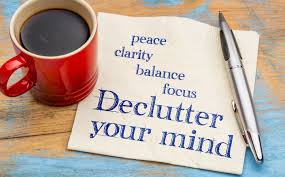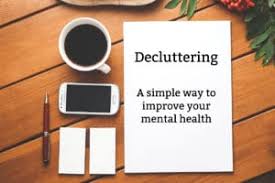
A clear checklist can guide you through decluttering. It helps break down the task into small, manageable steps. This makes organizing your home feel less daunting.
You can create a more peaceful living space by focusing on one area at a time.
What Is Decluttering?
Decluttering means getting rid of things you don’t need. It is about making space. It is also about making your home feel lighter.
Think about things you use. Think about things you love. If an item does not fit those, it might be clutter.
Why does clutter happen? Life gets busy. We buy things.
We get gifts. Sometimes we forget what we have. Items get put in drawers.
They get stored in closets. Over time, these forgotten items build up. They can make a room feel messy.
They can make it hard to find things. This can cause stress. It can make your home feel less like a sanctuary.
How does decluttering work? It is a process. You look at your items.
You decide what to keep. You decide what to let go. Letting go can mean donating.
It can mean selling. It can mean throwing away broken items. The goal is to keep only what serves you.
It is about creating a functional space. It is about making room for peace.
My Own Decluttering Disaster
I remember one Saturday morning. The sun was bright. I looked at my kitchen counter.
It was a disaster zone. Mail was stacked high. Old magazines lay in piles.
A few random gadgets sat there too. It was not just the counter. The whole kitchen felt crowded.
I felt a wave of annoyance. Where did all this stuff come from? I wanted to cook.
But I could not find a clear space to start. I felt stuck. It was like the clutter owned the room.
I sighed. I just closed the kitchen door and ignored it for a while. That is never the answer, I learned.
That day felt heavy. I spent an hour just moving piles. It felt like a chore.
It was not fun at all. I felt a bit defeated. This was supposed to be my happy place.
But it just felt like a storage unit. I wanted my kitchen back. I wanted to see the nice granite.
I wanted space to prepare food. I wanted calm. I decided then and there I needed a better way.
Just shoving things around wasn’t working. I needed a plan. I needed to be more honest about what I used.
So I started small. I tackled just one drawer. Then I moved to a shelf.
It took time. But slowly, the kitchen started to breathe again. Seeing the change was so motivating.
It showed me that small steps really do add up. It was not magic. It was just making choices.
It was letting go of things that were just taking up space. It was a lesson I carried to other rooms.
Decluttering Quick Wins
Start Small: Pick one drawer or shelf. It feels less scary.
Set a Timer: Try 15-20 minutes. You’ll be surprised what you do.
One In, One Out: For every new item you bring home, let one go.
Define “Keep”: Ask: Have I used this in the last year? Does it bring me joy?
Real-World Clutter Hotspots
Let’s talk about where clutter loves to hide. These are the places most people struggle with. Understanding these spots helps us focus.
The Entryway: This is often the first stop for mail. It is also where keys, bags, and shoes gather. If not managed, it looks messy fast.
Think about your front door. What lands there first? Mail?
Coats? Backpacks?
Kitchen Counters: We already talked about this one. Counters are prime real estate. They get used for everything.
Food prep, mail, keys, random papers. It is easy for them to become dumping grounds. Is your kitchen counter a clear space or a storage space?
The Dining Room Table: This table often becomes a catch-all. Especially if you don’t eat meals there often. It can become a desk.
It can become a craft area. It can become a place for things that don’t have a home yet. It is an easy place to ignore.
Closets: Oh, closets. They are made for hiding things. Clothes we don’t wear.
Items we might need someday. Shoes that are out of style. They can become black holes of stuff.
Many of us are guilty of this one.
Kids’ Rooms: Toys, art supplies, books, clothes. Kids’ rooms are naturally busy. Things get played with and then left.
Keeping these areas tidy requires regular effort. It involves teaching kids habits too.
Paper Piles: Bills, junk mail, school papers, notes. Paper has a way of multiplying. If you don’t have a system, these piles grow.
They spread from desks to tables. They can make a room feel chaotic.
Entryway Essentials: Keeping it Clear
A Mail Sorter: Have a designated spot for incoming mail. Sort it daily.
Hooks for Coats: Use wall hooks for coats, hats, and bags. Limit the number of hooks.
A Shoe Rack: Keep shoes off the floor. A small rack or basket works well.
A Key Bowl: Always have a place for keys. This stops frantic searching.
What This Means for Your Home
Living with clutter can affect us. It can make us feel tired. It can make it hard to relax.
When our homes are messy, our minds can feel messy too. It is hard to focus. It is hard to feel peaceful.
A decluttered home feels different. It feels calm. It feels open.
You can find things easily. You can move around freely.
Is clutter always bad? Not really. A lived-in home has items.
It has personality. The goal is not a sterile, empty space. The goal is a space that works for you.
A space that feels good. A space that is functional. It’s about balance.
It’s about having what you need and love. It’s about letting go of what you don’t.
When should you worry? If clutter is stopping you from living. If it’s making you feel ashamed.
If you can’t access parts of your home. If you can’t prepare food safely. These are signs it’s time for a serious declutter.
It’s about your well-being. Your home should support you, not stress you out.
Simple checks you can do: Walk through your home. What areas feel stressful? What areas are hard to use?
Make a list of these spots. Then, make a plan to tackle them. It’s about small, consistent effort.
It’s about being honest with yourself.
Contrast: Normal Home vs. Concerning Clutter
| Normal Home | Concerning Clutter |
| A few items on a counter that are easily moved. | Counters are completely covered, items are difficult to move or access. |
| A closet with clothes, some worn, some not. | A closet where clothes are crammed, doors don’t close easily, items are forgotten. |
| A small stack of mail to sort. | Large, overflowing piles of mail and papers taking up surfaces. |
| A room that feels lived-in and shows personality. | A room where movement is restricted, or you feel anxious due to mess. |
Quick Tips for Decluttering Success
Ready to get started? Here are some simple steps. They help you make real progress.
Remember, it’s about progress, not perfection. Every little bit counts.
The 15-Minute Rule: Set a timer for 15 minutes. Work on one small area. You’ll be amazed at what you can do.
When the timer rings, stop. This keeps it from feeling like a marathon.
One In, One Out: This is a great habit for staying clutter-free. When you buy something new, like a shirt, get rid of an old one. It keeps the total number of items stable.
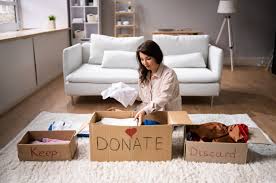
The Box Method: Get three boxes. Label them: Keep, Donate, Trash. Go through a space.
Put items in the right box. Do this for a whole area. Then, take out the trash.
Put the donate box in your car. Take it to a donation center soon.
Deal with Paper Immediately: Mail should not sit around. Open it. Sort it.
Action it. Recycle junk mail right away. Have a system for bills and important documents.
This stops paper piles from forming.
Ask the Tough Questions: For each item, ask:
Have I used this in the last year? Do I love it? Does it serve a purpose?
If I saw this in a store today, would I buy it? If the answer is no to most of these, consider letting it go.
Clean as You Go: This is key for maintenance. After you use something, put it back. After a meal, clear the table.
After cooking, wipe down counters. This stops clutter from building up again.
The “Keep” Decision Tree
Question 1: Have I used this in the past 6-12 months?
- Yes: Great! Does it work well?
Keep it.
- No: Move to Question 2.
Question 2: Does this item have sentimental value?
- Yes: Is it truly special? Keep it.
If you have many similar sentimental items, choose the best one or two.
- No: Move to Question 3.
Question 3: Does this item serve a current, needed purpose?
- Yes: Keep it. Make sure it has a designated home.
- No: It’s time to let it go.
Consider donating or selling it if it’s in good condition.
FAQs About Decluttering
What is the fastest way to declutter a room?
The fastest way often involves quick sorting. Use the box method (Keep, Donate, Trash). Set a timer for 15-30 minutes and focus intensely on one small area.
The key is making quick decisions and removing items immediately.
How do I declutter without buying organizers first?
It’s best to declutter first. Once you know what you’re keeping, you’ll know what organizers you truly need. Use existing boxes, jars, or baskets temporarily.
Focus on getting rid of excess items before investing in new storage solutions.
What if I feel guilty about throwing things away?
Guilt is common. Remember that an item’s purpose is often fulfilled when it’s made. If it’s not serving you, and it could serve someone else, donating is a great option.
Think of it as giving the item a new life. If it’s broken, trashing it prevents it from becoming someone else’s problem.
How often should I declutter?
Regular, small decluttering sessions are best. Aim for 15-30 minutes each week. This prevents major build-up.
Seasonal decluttering (spring and fall) is also helpful for a deeper clean and review.
What are the main benefits of decluttering?
The main benefits include reduced stress, improved focus, more time (because you can find things!), a cleaner and more peaceful home, and often, saving money by not buying duplicates.
How do I get my family to help declutter?
Involve them early. Make it a team effort. Assign specific areas or categories.
Use positive reinforcement. Explain the benefits of a tidy home for everyone. For kids, make it a game!
Keep it light and fun, especially at first.
Conclusion
Decluttering your home is a journey. It brings a sense of peace and control. By using a checklist and taking small steps, you can transform your space.
Focus on what you need and love. Let go of the rest. Your calmer, more organized home awaits.